
Cómo entender las cartas invertidas
Por qué las cartas al revés no son mal augurio — y cómo interpretarlas
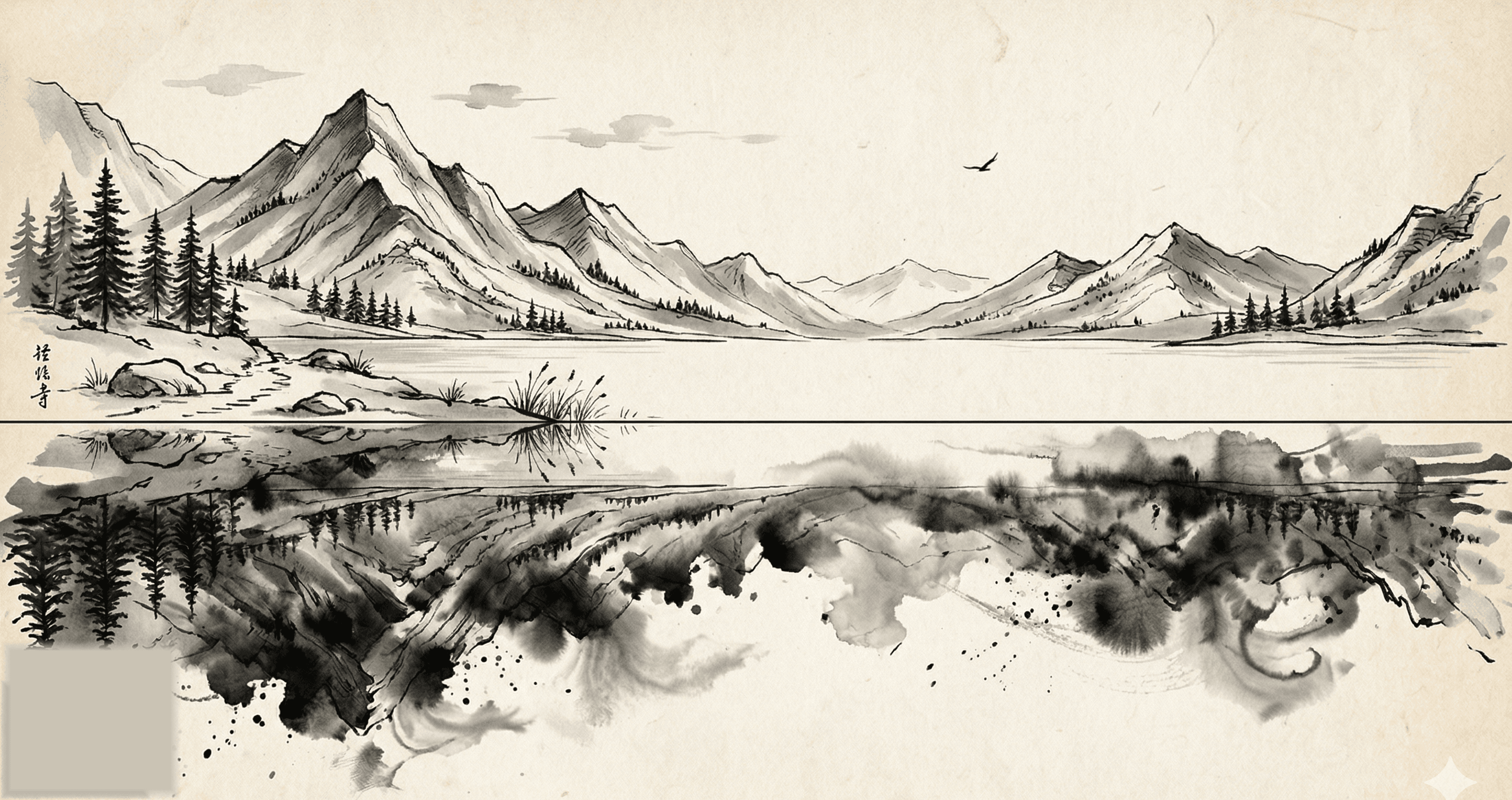
¿Qué es una carta invertida?
Una carta invertida es simplemente una carta que aparece al revés en tu lectura. Con un mazo físico, esto ocurre naturalmente al barajar. En Sumi, aproximadamente el 15% de las cartas aparecen invertidas — lo suficiente para añadir profundidad a tus lecturas sin abrumarlas.
Muchos principiantes les temen a las cartas invertidas. No deberían. Una carta invertida no es lo opuesto de su significado vertical, y desde luego no es un mal augurio. Piensa en ella como la misma energía, vuelta hacia adentro o atenuada. Es la carta susurrando en lugar de hablando.
Cómo la inversión cambia el significado
Hay varias formas de interpretar una carta invertida, y los lectores experimentados suelen usar todas según el contexto:
Energía interiorizada: La cualidad de la carta está presente pero dirigida hacia dentro en lugar de hacia fuera. El Mago invertido no carece de poder — el poder está sin explotar, el potencial aún no realizado.
Energía bloqueada: Algo impide que la cualidad de la carta fluya libremente. El Sol invertido no es oscuridad — es alegría opacada por el exceso de pensamiento o la inseguridad.
Aspecto sombra: La energía de la carta está presente pero se expresa en su forma menos saludable. El Emperador invertido no es autoridad — es rigidez, control por el control mismo.
Energía retardada: La cualidad de la carta viene en camino, pero aún no se ha manifestado plenamente. Se necesita paciencia.
Ejemplos en la práctica
El Loco vertical: Un salto de fe, nuevos comienzos, espontaneidad. Invertido: Temeridad, miedo a lo desconocido, un salto para el que no estás preparado — o uno que estás evitando.
La Fuerza vertical: Coraje sereno, poder interior, paciencia. Invertida: Inseguridad, la emoción cruda anulando la sabiduría, la fuerza que aún no has encontrado.
La Estrella vertical: Esperanza, renovación, inspiración. Invertida: Desconexión de la esperanza, bloqueo creativo, la luz está ahí pero le has perdido la pista.
En cada caso, el significado invertido no es "malo". Es más matizado. Te pide que mires el mismo tema desde un ángulo diferente.
¿Deberías leer las inversiones?
Algunos lectores eligen no leer inversiones, y es una práctica válida. Pero las inversiones añaden una dimensión de profundidad y honestidad a las lecturas. Son la forma que tiene la carta de decir: mira más de cerca. No te quedes con el significado obvio. Profundiza.
En Sumi, las inversiones están incluidas porque hacen las lecturas más sinceras. Si todas las cartas aparecieran verticales, las lecturas tenderían a la mera afirmación. Las inversiones introducen la fricción necesaria — las preguntas incómodas que conducen a la verdadera comprensión.
Cuando saques una carta invertida, no entres en pánico. Respira. Pregúntate: ¿dónde en mi vida esta energía está bloqueada, interiorizada o expresándose como sombra? Esa pregunta sola ya vale la tirada.
Seguir leyendo
Cómo hacer una tirada de 3 cartas→