SumiSumi
Learn hub
Going deeper5 min read

Tarot for Love & Relationships

How to interpret cards in the context of love, connection, and partnership

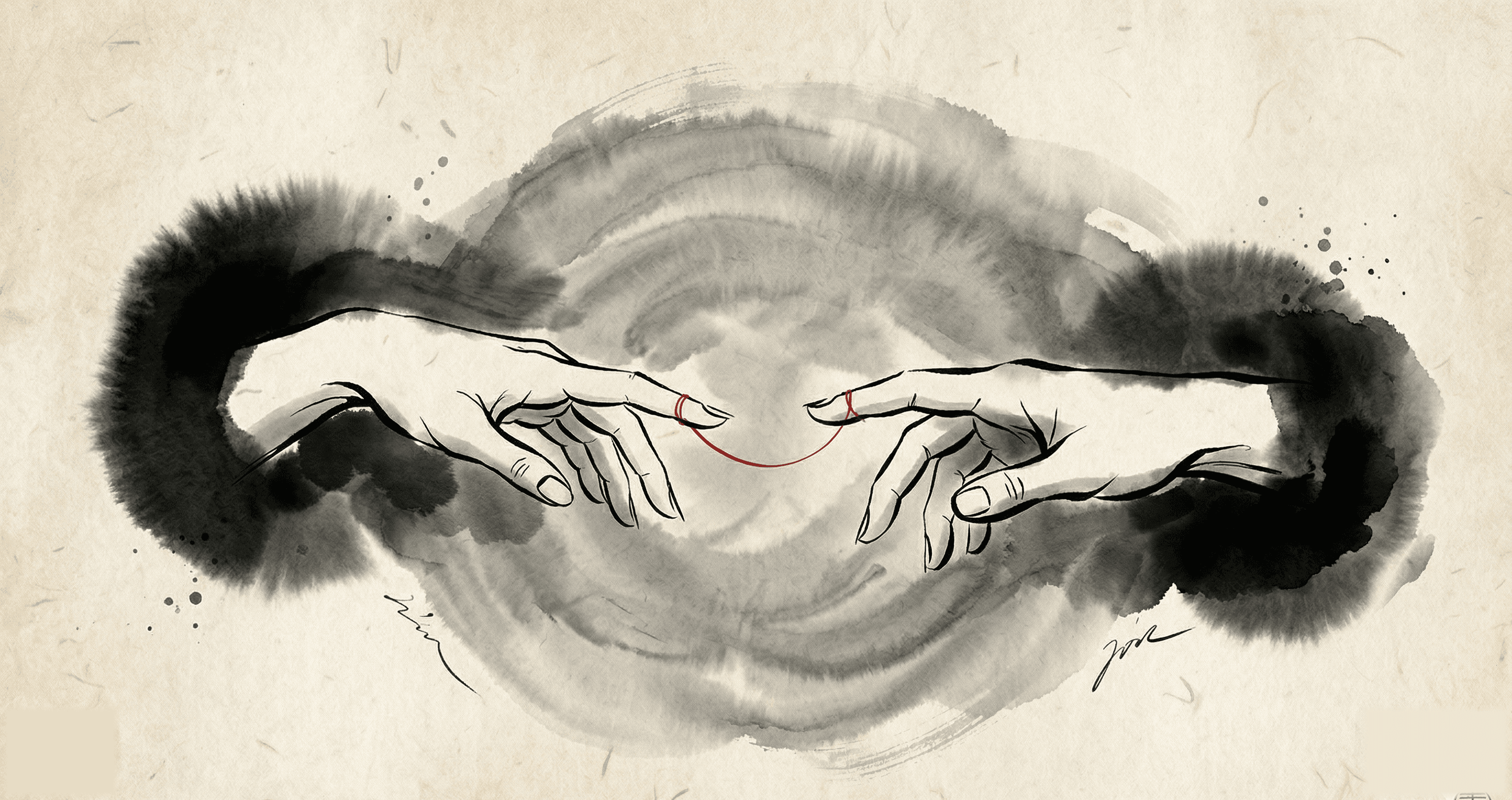
The Red Thread

Tarot Doesn't Predict Love

Let's be clear upfront: tarot cannot tell you whether someone loves you, whether your ex will come back, or when you'll meet "the one." If a reader tells you otherwise, leave.

What tarot can do is illuminate the patterns in your relationships. It can reveal the fears you bring to love, the needs you're not expressing, the dynamics you keep recreating. It's a mirror for your emotional life — and sometimes the reflection is uncomfortable.

The power of tarot in relationship readings lies in shifting your focus from the other person to yourself. Instead of asking "What does my partner think of me?" you begin asking "What am I bringing to this relationship?" and "What pattern am I repeating?" This shift from external to internal is where genuine insight lives. The cards cannot read another person's mind. They can help you read your own.

Key Cards for Love Readings

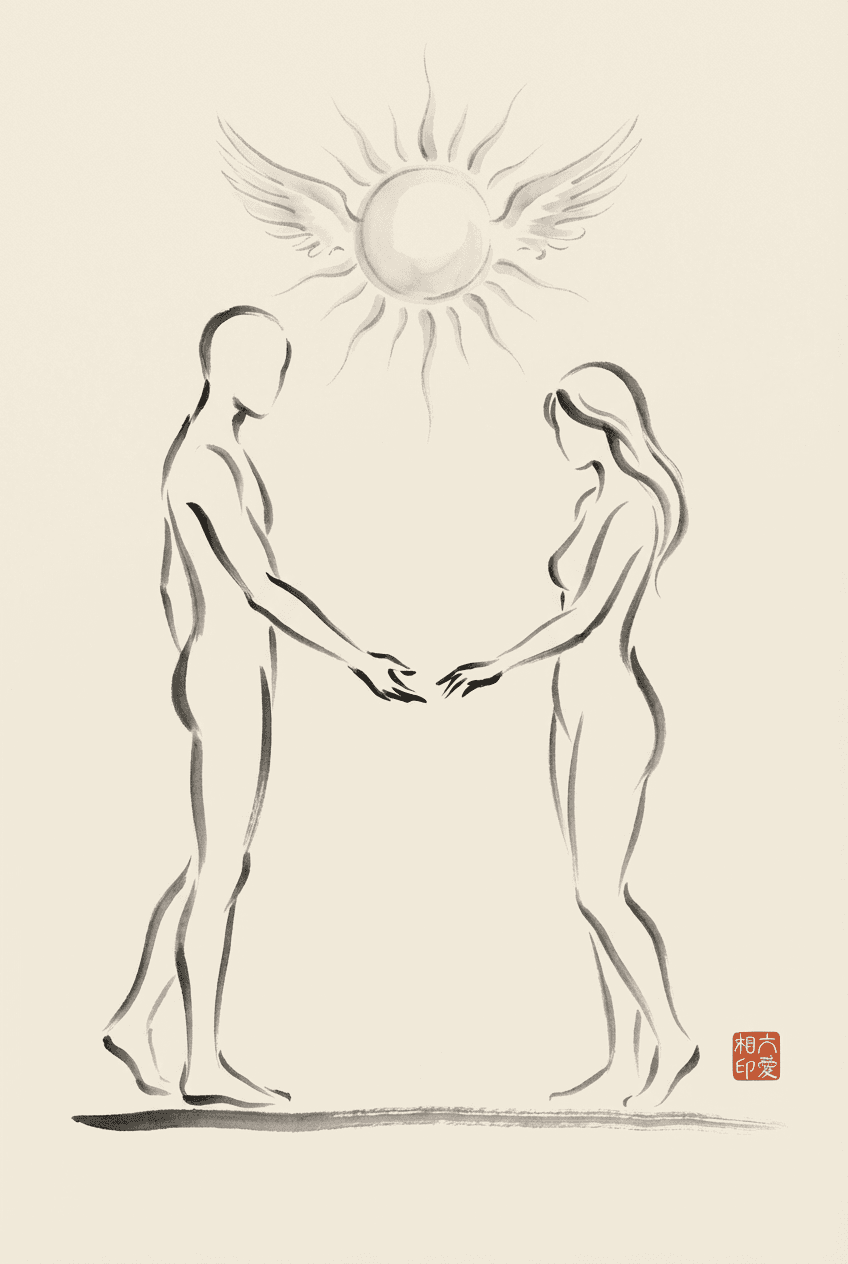
The Lovers (VI) — The obvious one, but it's not just about romance. The Lovers represents choice and alignment. In a love reading, it asks: are you choosing this relationship consciously? Or are you on autopilot? When this card appears reversed in a love reading, it often points to a values misalignment — two people who care for each other but want fundamentally different things.

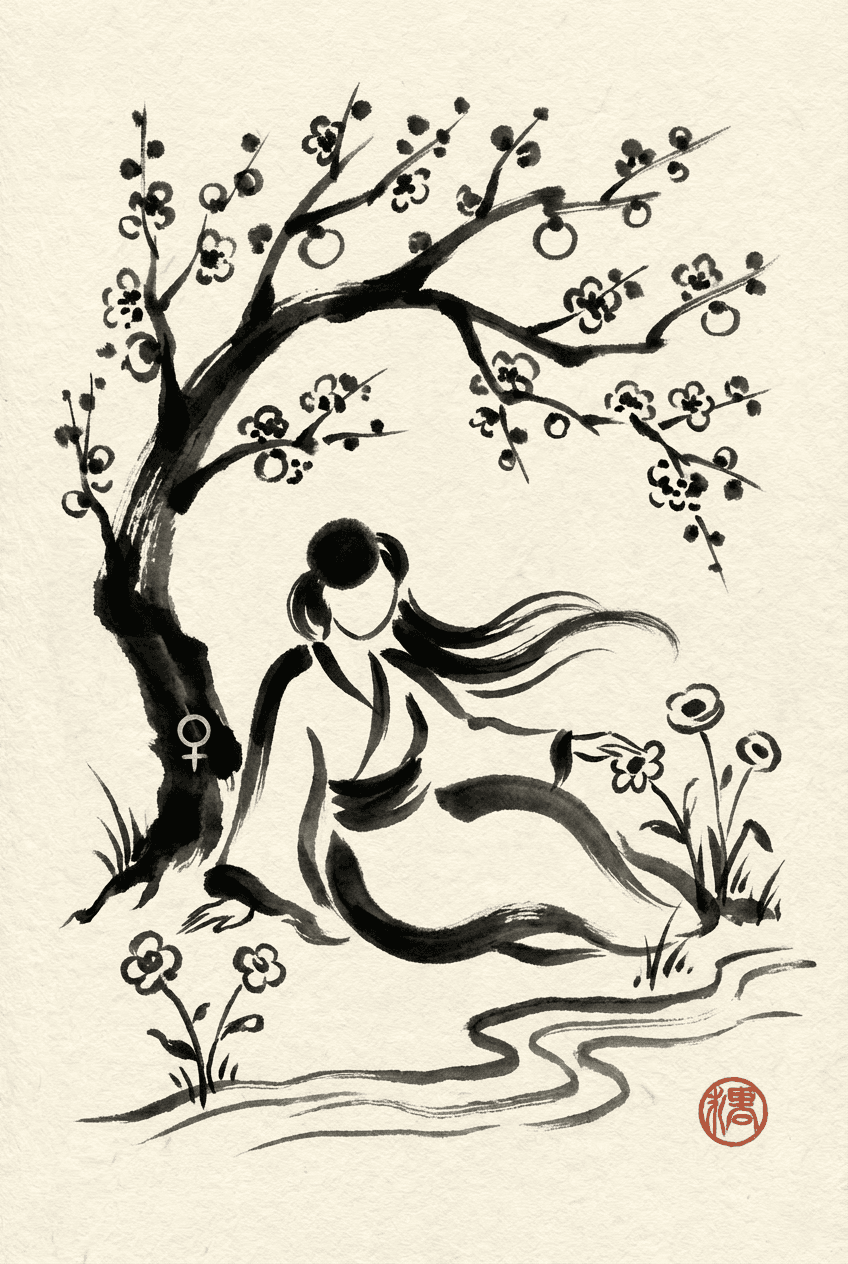
The Empress (III) — Nurturing, abundance, sensuality. In love, she represents the capacity to give and receive. Reversed, she might indicate smothering or neglecting your own needs for another's. The Empress also speaks to self-love: are you nurturing yourself, or are you so focused on caring for your partner that you have forgotten your own needs?

The Devil (XV) — Attachment, obsession, staying in something that doesn't serve you. In love, The Devil asks: are these bonds or chains? This card frequently appears when a relationship has become codependent, when passion has tipped into possessiveness, or when comfort has become a cage. The good news: the chains in The Devil card are always loose. You can remove them whenever you choose.

Temperance (XIV) — Balance and blending. The ideal of two people who complement each other without losing themselves. In love, it's the art of compromise without sacrifice. Temperance often appears when a relationship is maturing, moving beyond the intoxication of early romance into something more sustainable and grounded.

The Moon (XVIII) — What you're not seeing. In love, The Moon reveals the projections, illusions, and unspoken fears that distort how you see your partner. When The Moon appears in a relationship reading, ask yourself: am I seeing this person as they are, or as I want them to be? The Moon's light is reflected, not direct — just like the stories we tell ourselves about the people we love.

The Couple Spread

Sumi's Couple Compatibility spread draws two cards — one for each partner. This isn't about who's "better." It's about understanding the different energies each person brings to the relationship.

When you read the two cards together, look for harmony and tension. Two fire cards? Passionate but potentially volatile. A fire card and a water card? Steamy, but one might feel extinguished. Two challenge cards? The relationship is asking for honest work.

The synergy interpretation — what the two cards mean together — is where the real insight lives. No card is good or bad in isolation. It's the pairing that tells the story.

For example, imagine drawing The Emperor for one partner and The Empress for the other. On the surface, this looks like a perfect balance of structure and nurturing, discipline and creativity. But look deeper: is one partner carrying all the structure while the other carries all the emotional labor? The balance in the cards might be pointing to an imbalance in the relationship. Or it might be celebrating a genuine complementarity. Your reaction to the pairing is the interpretation.

Love Questions to Ask the Cards

Instead of asking "Does he love me?" (the cards can't answer that), try:

"What energy am I bringing to this relationship?"

"What am I not seeing about this situation?"

"What would help me feel more secure in love?"

"What pattern in my love life am I ready to release?"

"What does this relationship need from me right now?"

"What fear is shaping my behavior in love?"

These questions put the power back where it belongs: with you. The cards don't control your love life. They help you understand it.

When to Read — and When to Talk

Tarot is a powerful tool for self-reflection in relationships, but it is not a substitute for direct communication. If you find yourself pulling cards about the same relationship question over and over, that is a signal that you need to have a conversation — with your partner, with a therapist, or with a trusted friend.

The cards can help you prepare for that conversation. They can reveal what you are really feeling beneath the surface, clarify the core issue, and show you the fears that might be holding you back from speaking honestly. But ultimately, relationships are built through communication, not through card readings. Use tarot to understand yourself better, then bring that understanding into your relationship.

Did you know? The association between tarot and love readings is so strong that love questions account for the majority of queries at professional tarot reading services worldwide. This has been true since at least the 19th century. The enduring popularity of love-focused readings reflects a simple truth: the heart is the domain where we most crave insight and most struggle with clarity.

Key Cards for Love Readings

The cards most connected to matters of the heart