
Cómo crear un ritual diario de tarot
Construye una práctica que perdure — una carta a la vez
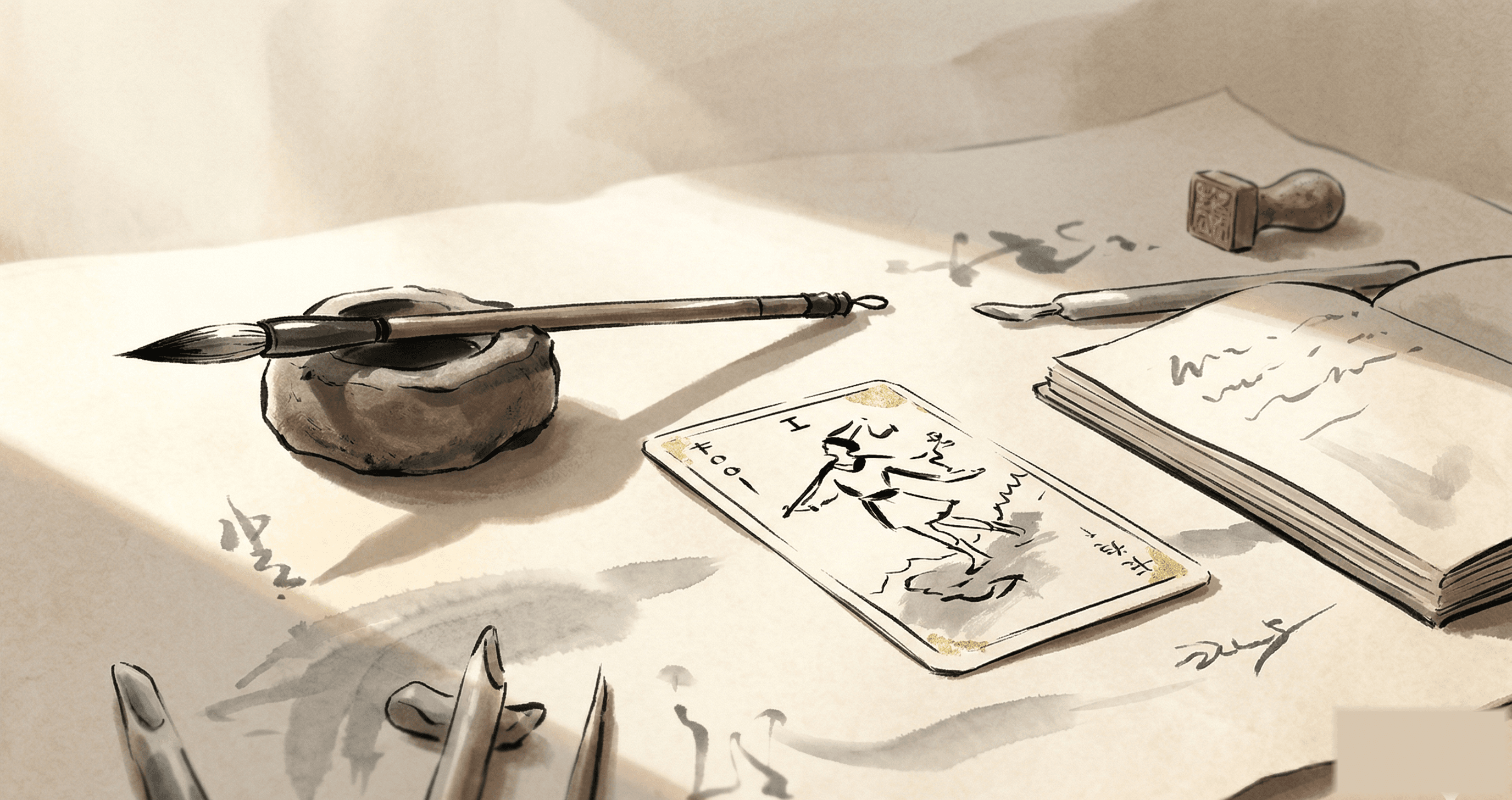
¿Por qué a diario?
La práctica de tarot más poderosa es la más sencilla: una carta, cada día. No para predecir tu jornada, sino para establecer una intención. Para darte una palabra, una imagen, una pregunta que llevar contigo.
La práctica diaria hace tres cosas. Primero, te familiariza con las cartas — se aprende sacando, no estudiando. Segundo, crea un hábito de reflexión — una pausa en el ruido de la vida cotidiana. Tercero, revela patrones con el tiempo. Cuando has sacado El Ermitaño tres veces en dos semanas, merece la pena preguntarse por qué.
Cuándo sacar la carta
La mañana es ideal. Antes de que la agenda del día invada tu mente, hay una ventana de apertura. La carta que saques se convierte en la lente para el día que tienes por delante.
Pero cualquier momento funciona. Algunas personas sacan su carta a la hora de comer como un reinicio a mitad del día. Otras la sacan por la noche como práctica reflexiva antes de dormir. Lo importante no es cuándo, sino que lo hagas de forma consistente. Misma hora, mismo ritmo, mismo momento de calma. El ritual es simplemente repetición con intención.
La práctica
Paso 1: Encuentra la quietud. Tres respiraciones. Cierra los ojos si te ayuda. Deja que el parloteo mental se asiente — no necesita desaparecer, solo aquietarse.
Paso 2: Abre Sumi. Saca tu carta. No te apresures.
Paso 3: Observa la imagen antes de leer nada. ¿Qué notas en los trazos del pincel? ¿Qué sentimiento surge? Confía en esa primera impresión.
Paso 4: Lee el significado de la carta. Deja que repose. No fuerces una conexión con tu vida — llegará por sí sola.
Paso 5: Lleva el mensaje de la carta ligeramente a lo largo del día. No como una receta, sino como una pregunta.
Paso 6: Por la noche, reflexiona. ¿Apareció el tema de la carta en tu experiencia? No de forma mágica, sino de la forma "ahora que lo estaba buscando, lo noté".
Construyendo la racha
Sumi registra tu racha diaria — cuántos días consecutivos has sacado una carta. Esto no es gamificación por sí misma. Es una herramienta suave de compromiso contigo mismo. La racha no te juzga por romperla. Te celebra por continuarla.
No seas rígido. Si pierdes un día, pierdes un día. La práctica trata de presentarte, no de la perfección. Pero hay algo poderoso en ver "racha de 14 días" y saber que durante dos semanas seguidas elegiste hacer una pausa y reflexionar.
Qué hacer con tu colección
A medida que sacas cartas a diario, tu colección crece. Sumi registra cuáles de los 22 Arcanos Mayores has descubierto. A lo largo de semanas y meses, los coleccionarás todos — cada uno revelado mediante la paciencia de la práctica diaria.
Presta atención a qué cartas aparecen con frecuencia y cuáles siguen ocultas. Las cartas que aún no has sacado son tan significativas como las que sí. ¿Qué arquetipo no ha aparecido en tu vida? ¿Qué energía aún no estás preparado para enfrentar?
Seguir leyendo
Tarot para el amor y las relaciones→