
Los 22 Arcanos Mayores explicados
Guía completa del corazón del mazo de tarot
¿Qué son los Arcanos Mayores?
Un mazo de tarot estándar contiene 78 cartas: 22 Arcanos Mayores y 56 Arcanos Menores. Los Arcanos Mayores son el alma del mazo — representan los grandes temas de la vida, las experiencias universales y las fuerzas arquetípicas que moldean el camino humano.
"Arcano" significa secreto o misterio. Los Arcanos Mayores son los grandes secretos — las experiencias profundas y transformadoras que todos compartimos. Nacimiento, muerte, amor, poder, entrega, despertar. Mientras los Arcanos Menores tratan la vida cotidiana (luchas diarias, pequeñas victorias, decisiones mundanas), los Arcanos Mayores tratan los momentos que lo cambian todo.
En Sumi, nos centramos exclusivamente en los Arcanos Mayores. Estas 22 cartas, dibujadas con tinta sumi-e, contienen todo lo que necesitas para una práctica diaria significativa.
El viaje de El Loco
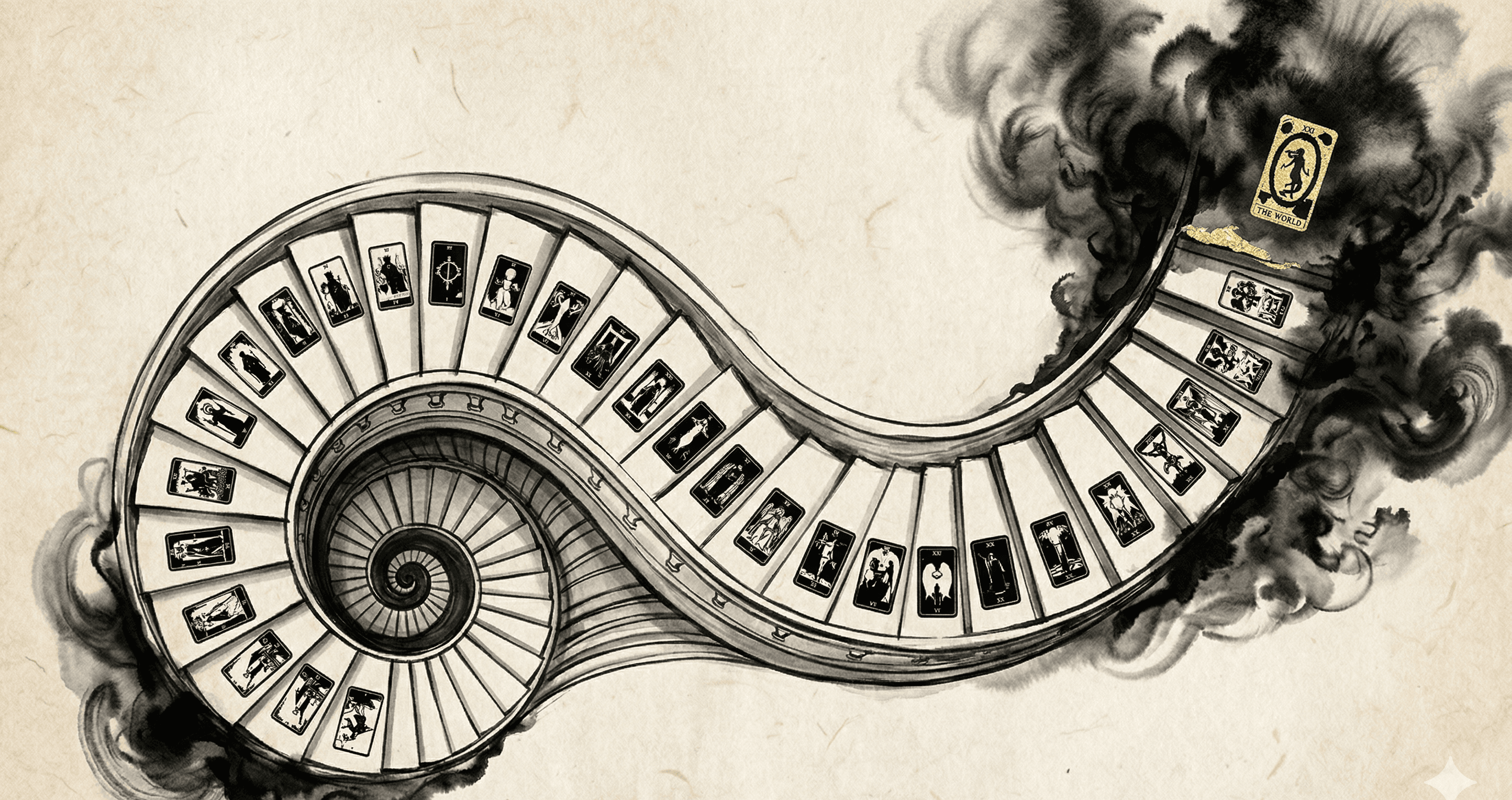
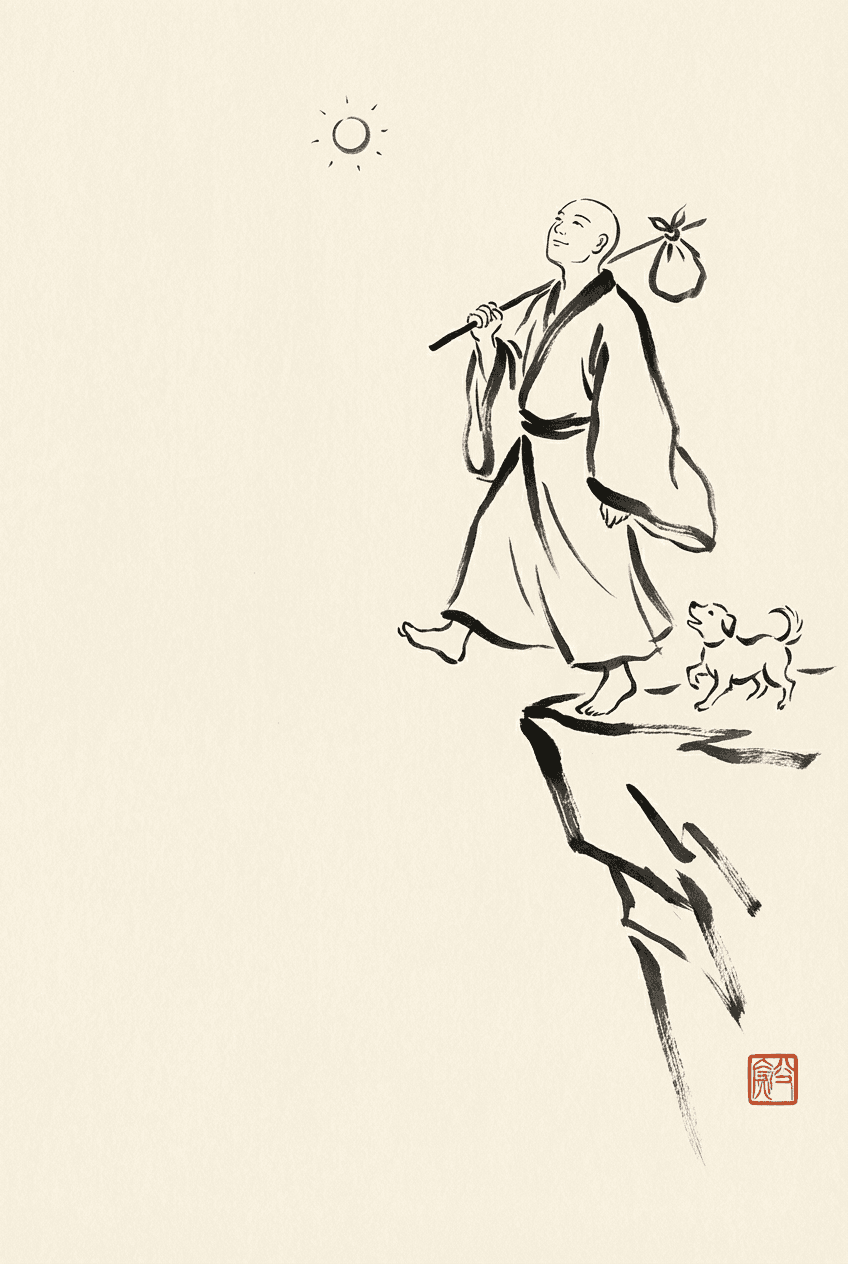
Los 22 Arcanos Mayores cuentan una historia — la historia de El Loco. Comienza con la carta 0, El Loco, que se lanza al vacío desde un acantilado sin más que confianza y una pequeña bolsa de experiencias. Termina con la carta XXI, El Mundo, que representa completitud, integración y el comienzo de un nuevo ciclo.
Entre estos dos puntos, El Loco se encuentra con cada gran fuerza de la experiencia humana: El Mago (voluntad), La Sacerdotisa (intuición), La Emperatriz (abundancia), El Emperador (estructura), El Hierofante (tradición), Los Enamorados (elección), y así hasta La Muerte (transformación), La Torre (conmoción), La Estrella (esperanza), La Luna (ilusión), El Sol (alegría) y El Juicio (despertar).
Este viaje no es lineal en la vida real. Puedes encontrarte con La Torre antes que con Los Enamorados. Puedes atravesar La Muerte y el renacimiento muchas veces. El viaje de El Loco es un mapa, no una línea de tiempo.
Las primeras siete: El mundo material (0-VI)
El Loco (0) — Potencial puro. El salto de fe. Comenzar sin conocer el destino.
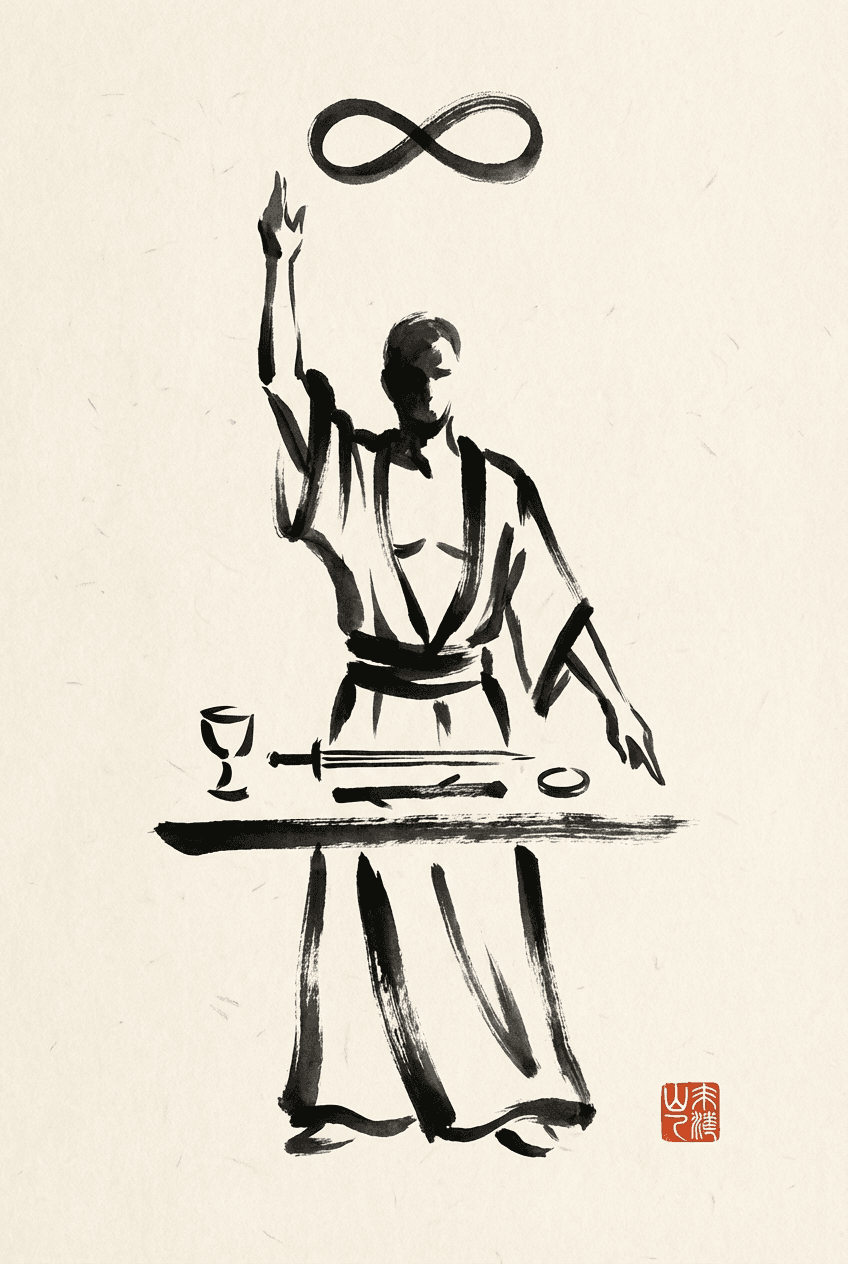
El Mago (I) — Voluntad y habilidad. Tener todas las herramientas y saber usarlas.
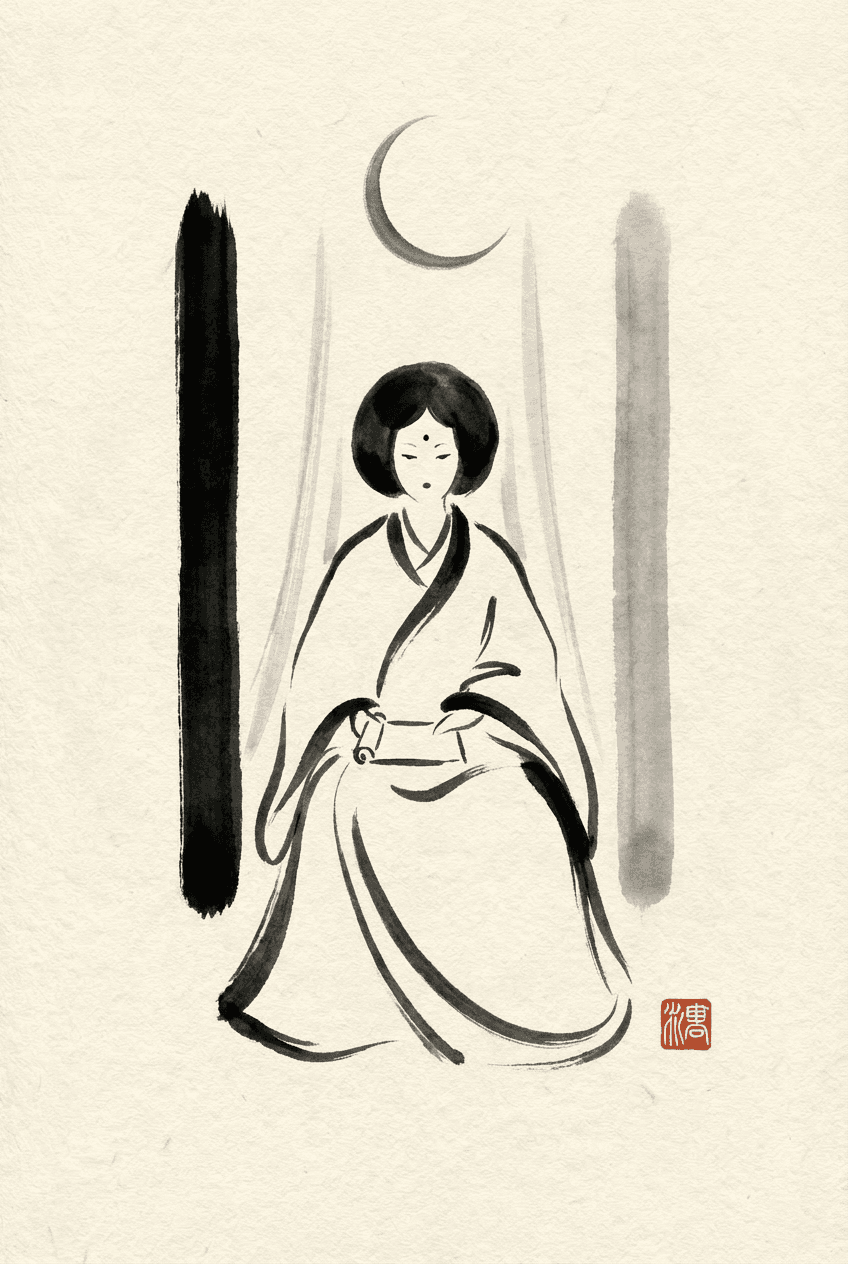
La Sacerdotisa (II) — Intuición y misterio. El conocimiento que nace de la quietud, no del estudio.
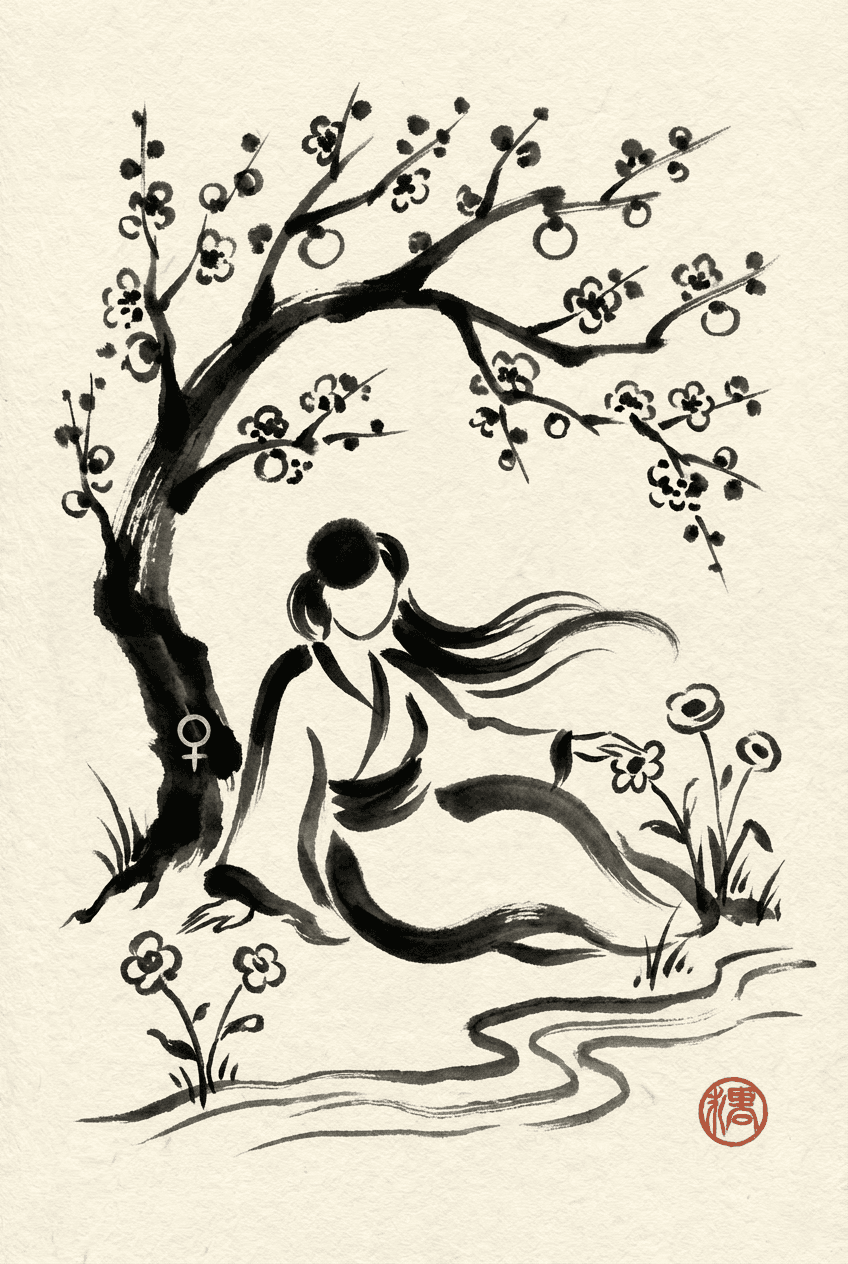
La Emperatriz (III) — Abundancia y cuidado. Fertilidad creativa, ya sea en el arte, las relaciones o la vida misma.
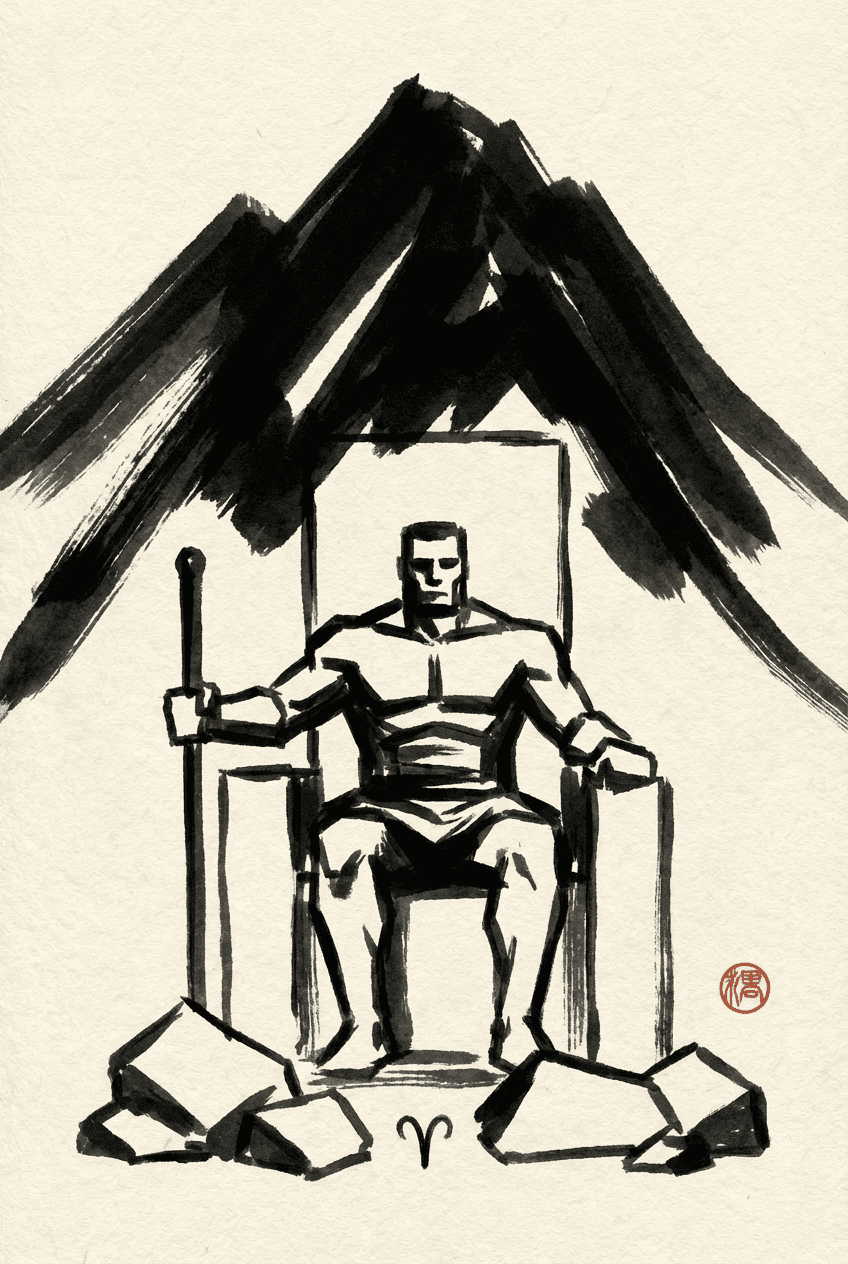
El Emperador (IV) — Estructura y autoridad. La disciplina necesaria para construir algo duradero.
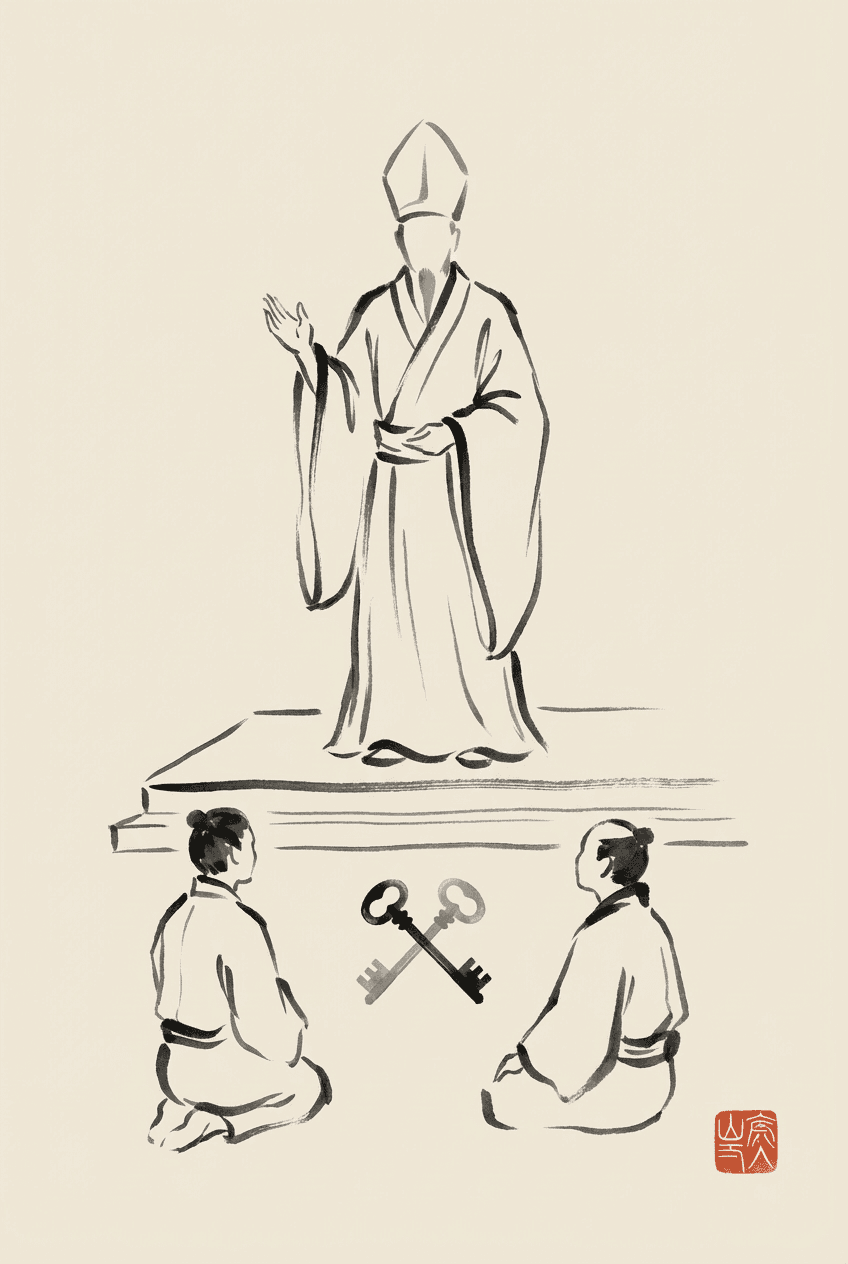
El Hierofante (V) — Tradición y enseñanza. Aprender de quienes vinieron antes.
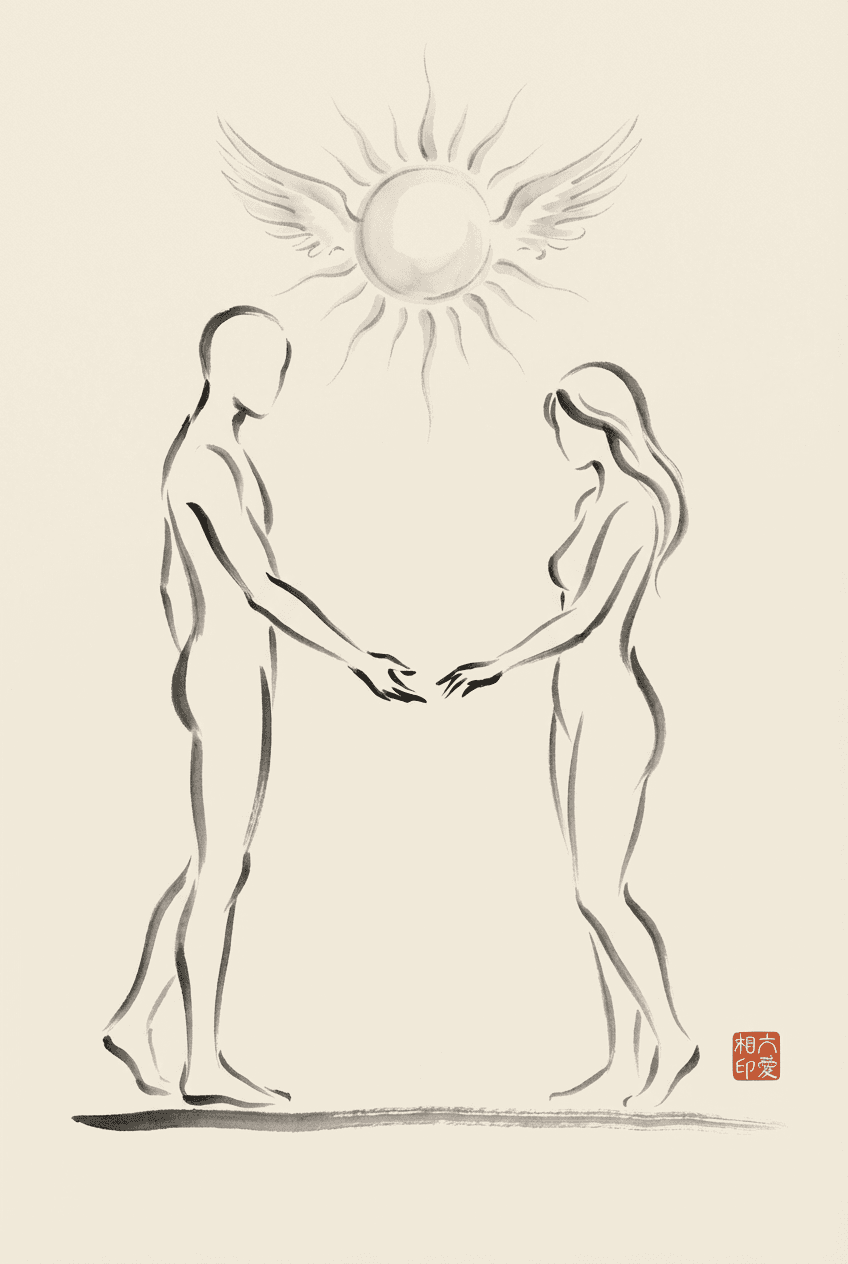
Los Enamorados (VI) — Elección y alineación. No solo amor romántico, sino las decisiones fundamentales que definen quién eres.
Las siete del medio: El mundo interior (VII-XIII)
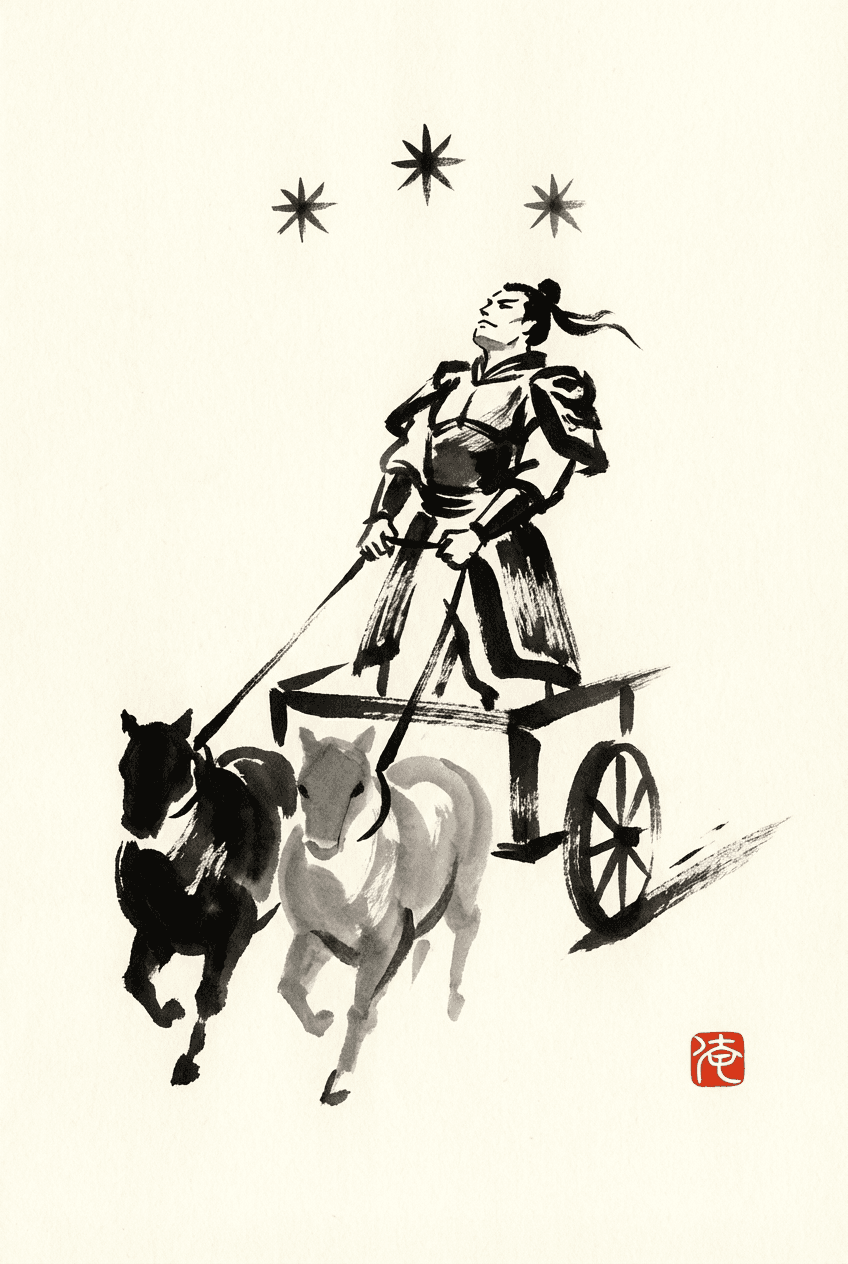
El Carro (VII) — Determinación e impulso. Avanzar con pura fuerza de voluntad.
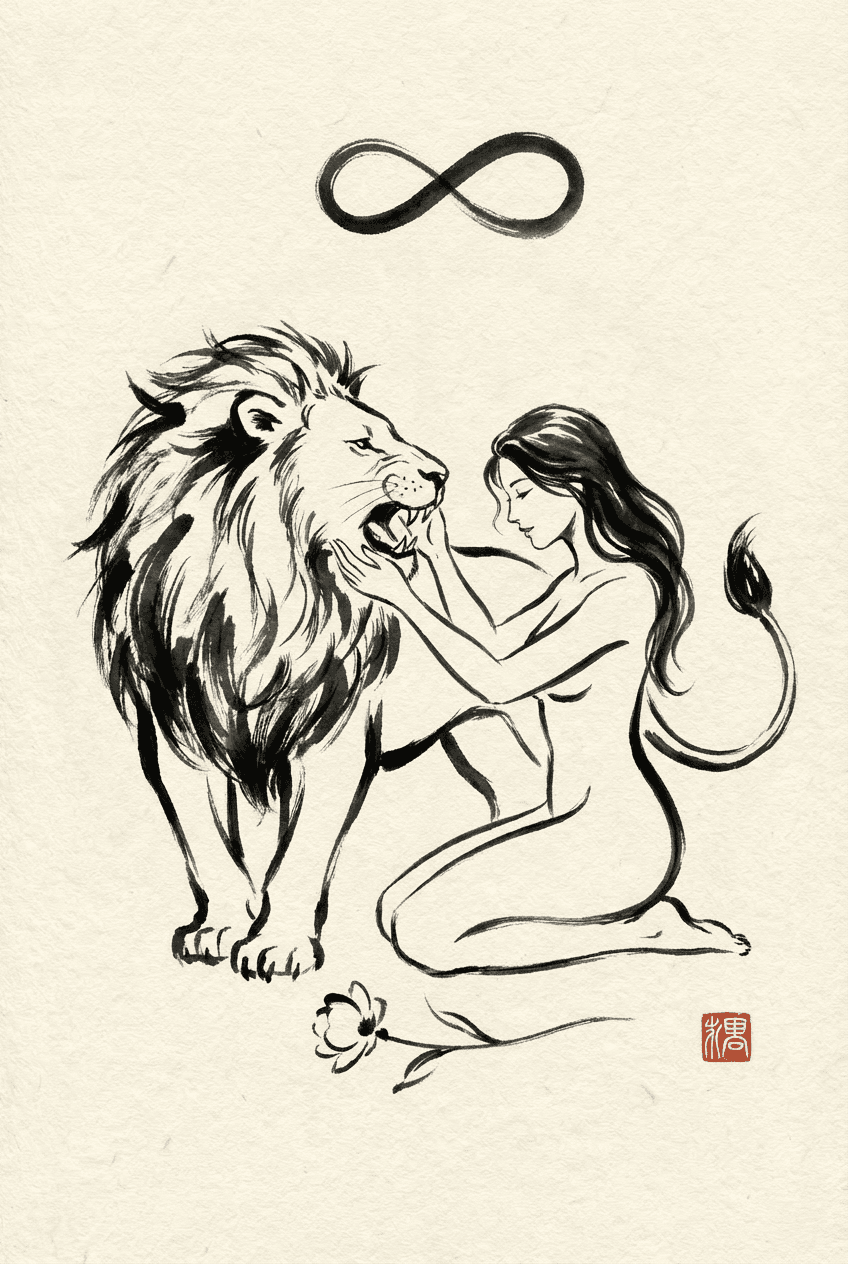
La Fuerza (VIII) — Poder sereno. El coraje que nace de la ternura, no de la imposición.
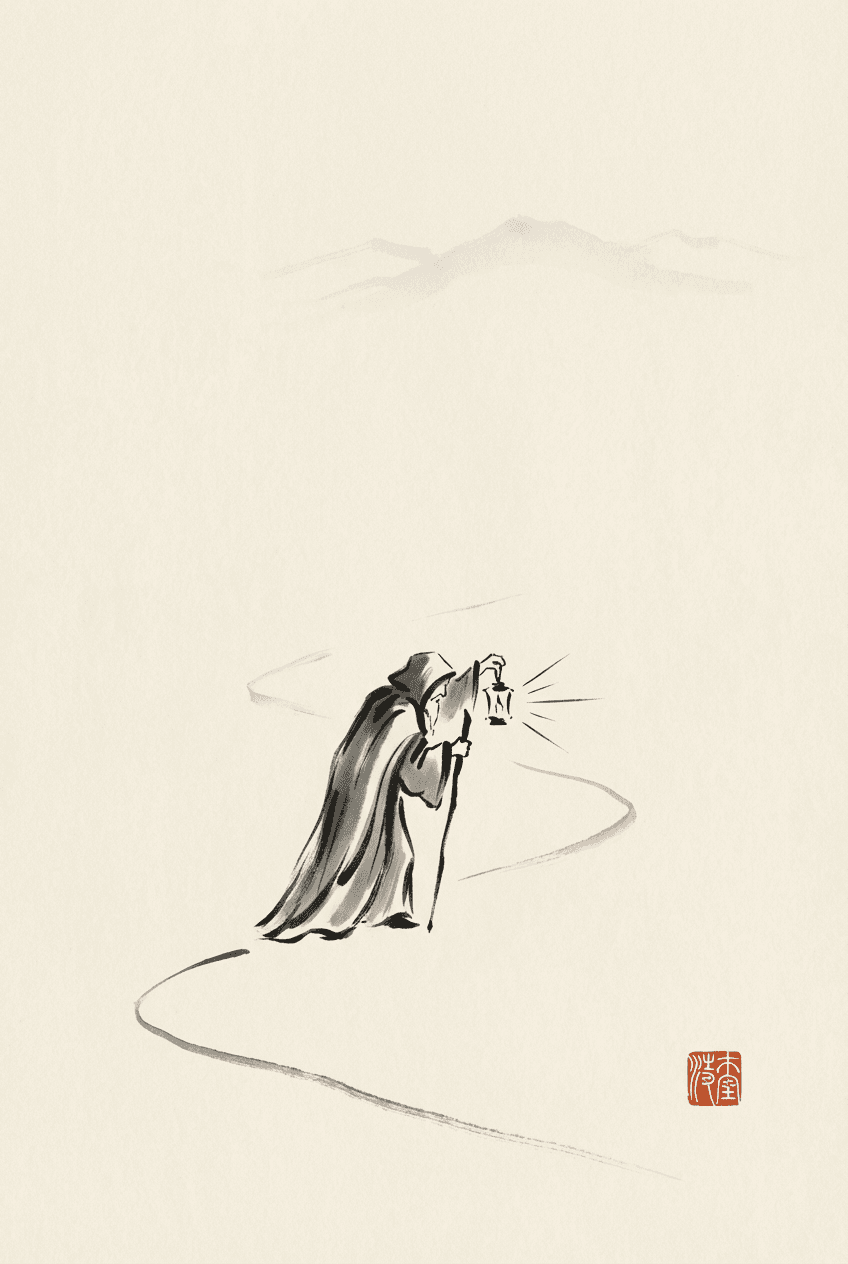
El Ermitaño (IX) — Soledad y sabiduría interior. Las respuestas que se encuentran en el retiro.
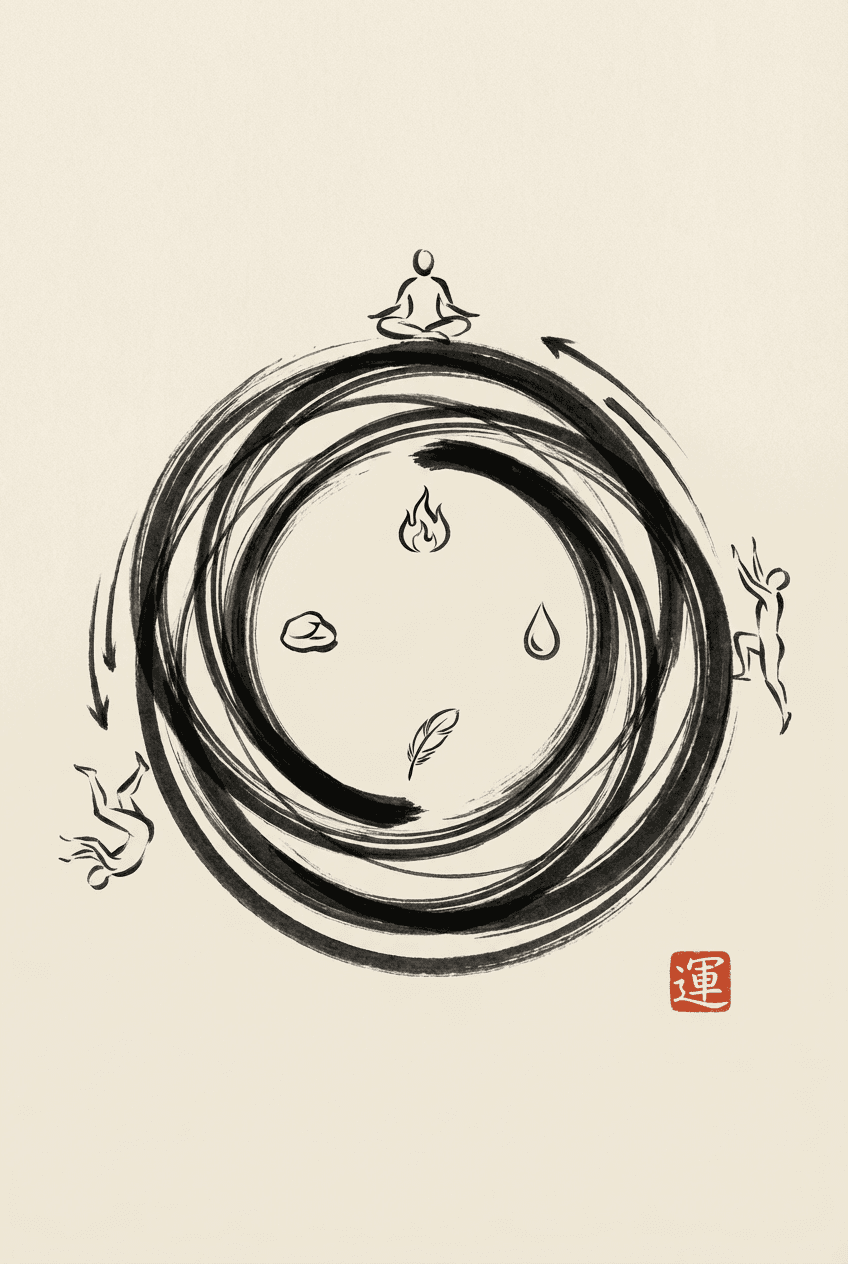
La Rueda de la Fortuna (X) — Ciclos y cambio. Lo que sube baja, y lo que baja vuelve a subir.
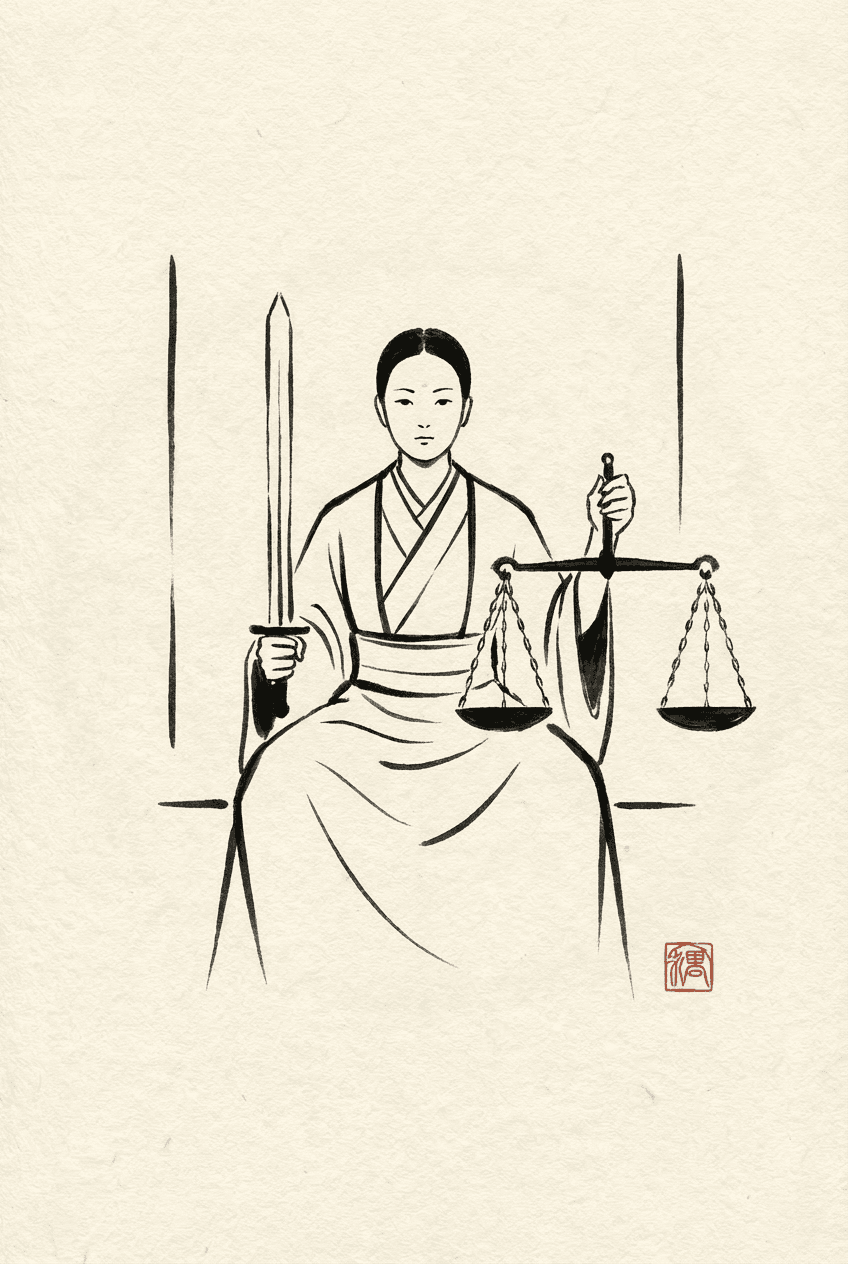
La Justicia (XI) — Verdad y consecuencia. La claridad que surge de la honestidad radical.
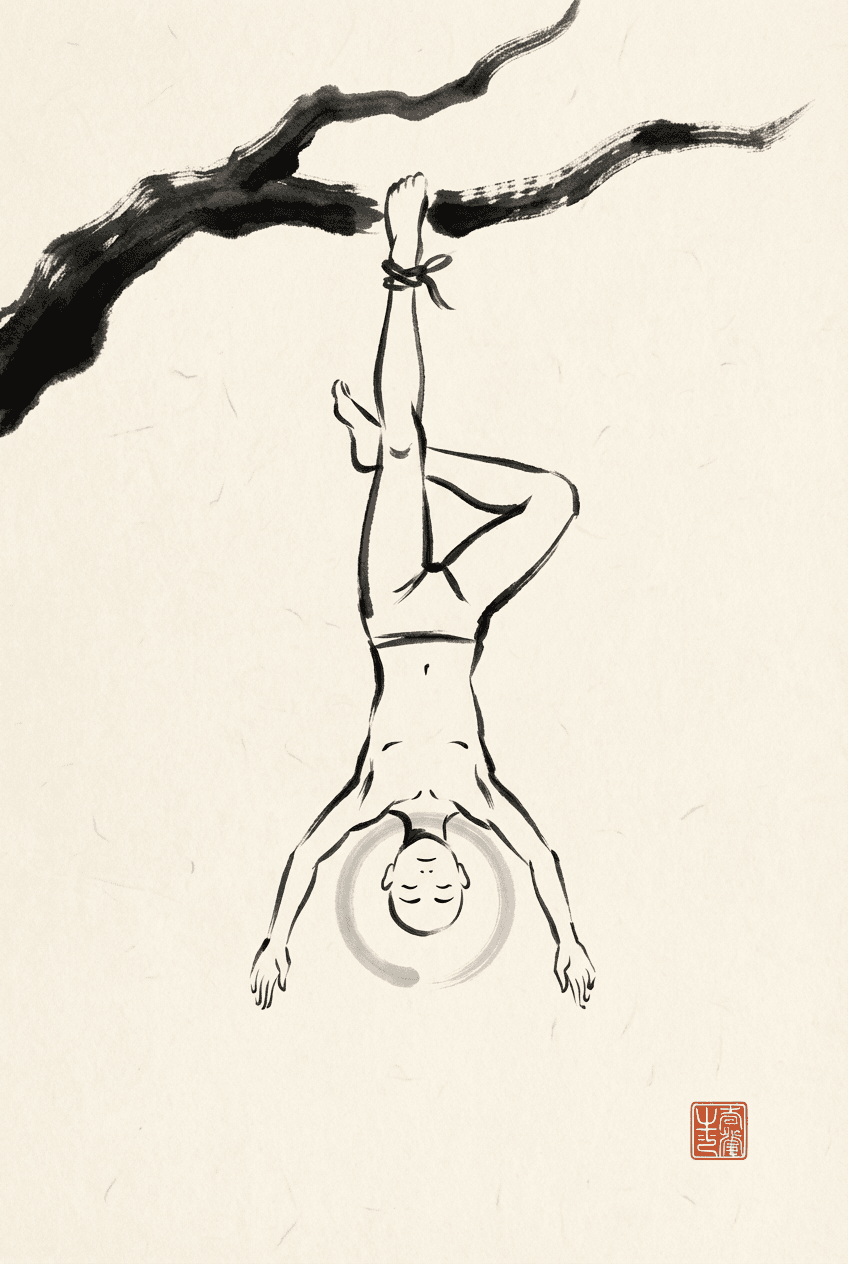
El Colgado (XII) — Rendición y nueva perspectiva. A veces hay que soltar para ver con claridad.
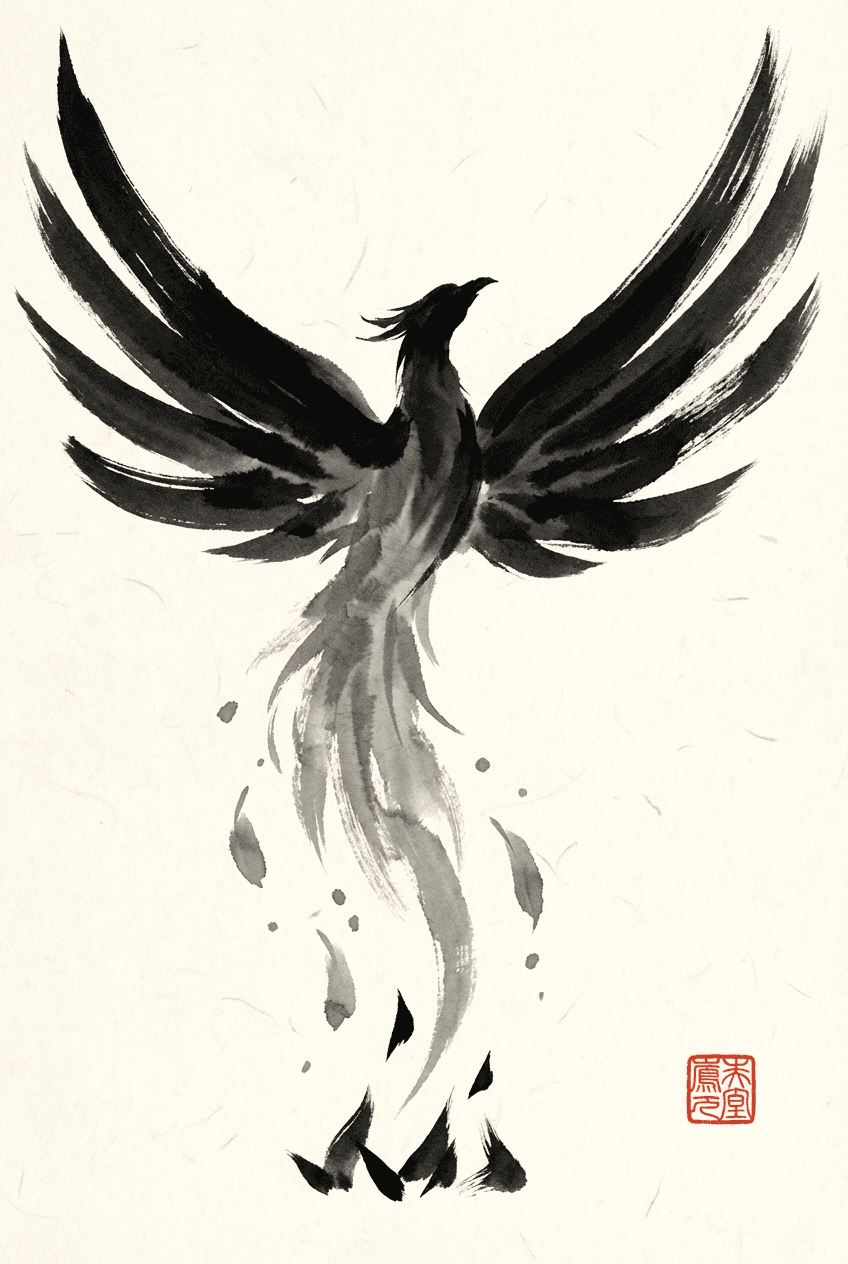
La Muerte (XIII) — Transformación. No la muerte física, sino el final que abre espacio a algo nuevo.
Las ocho finales: El mundo espiritual (XIV-XXI)
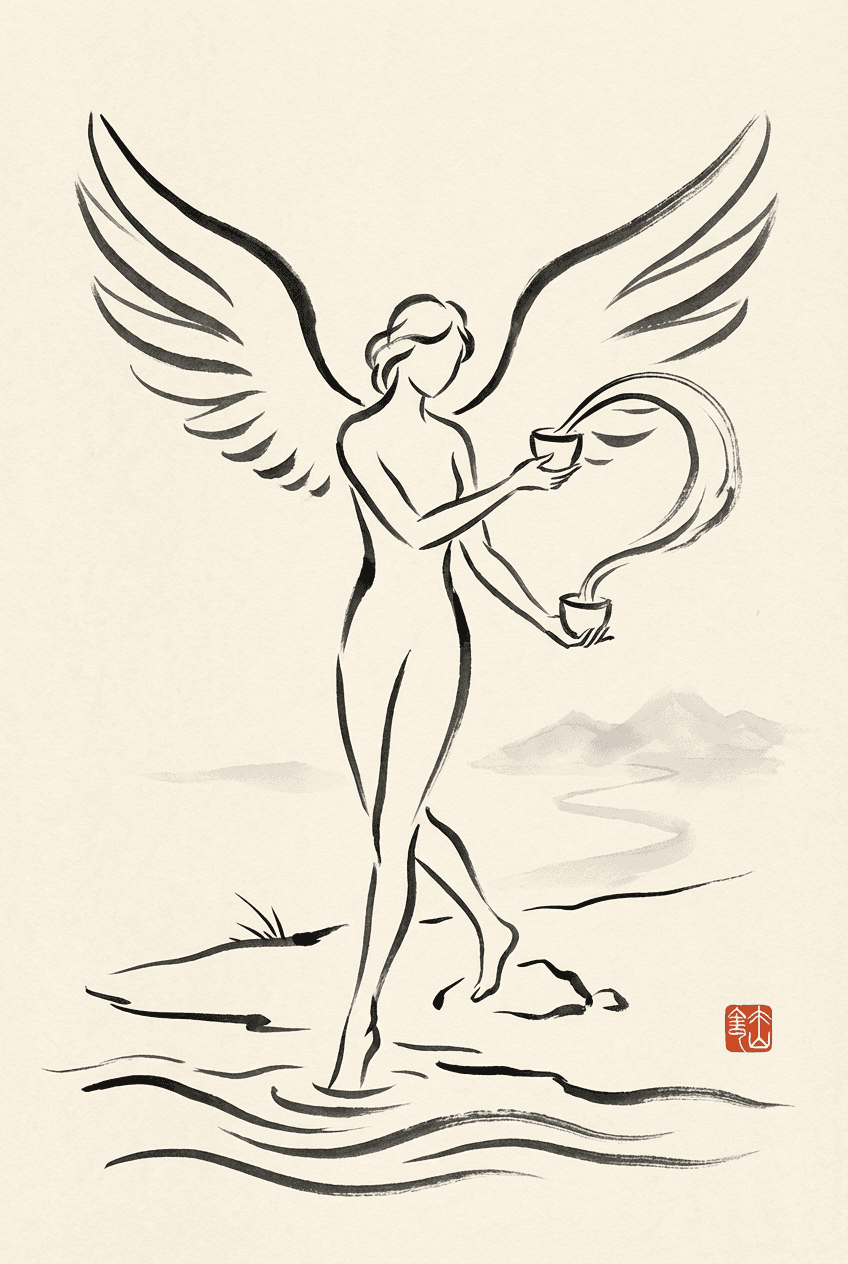
La Templanza (XIV) — Equilibrio y paciencia. El arte de fundir fuerzas opuestas.
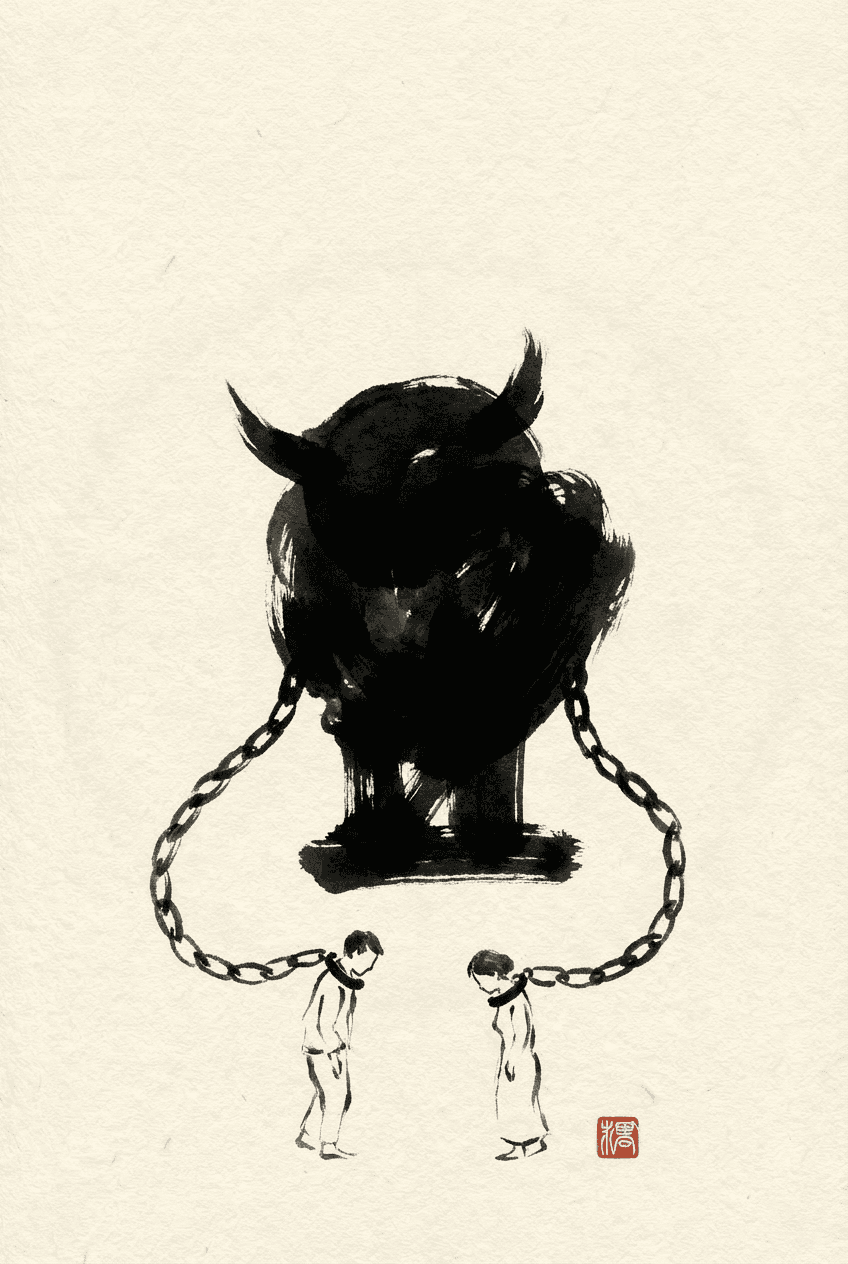
El Diablo (XV) — Ataduras y sombra. Las cadenas que no sabemos que hemos elegido.
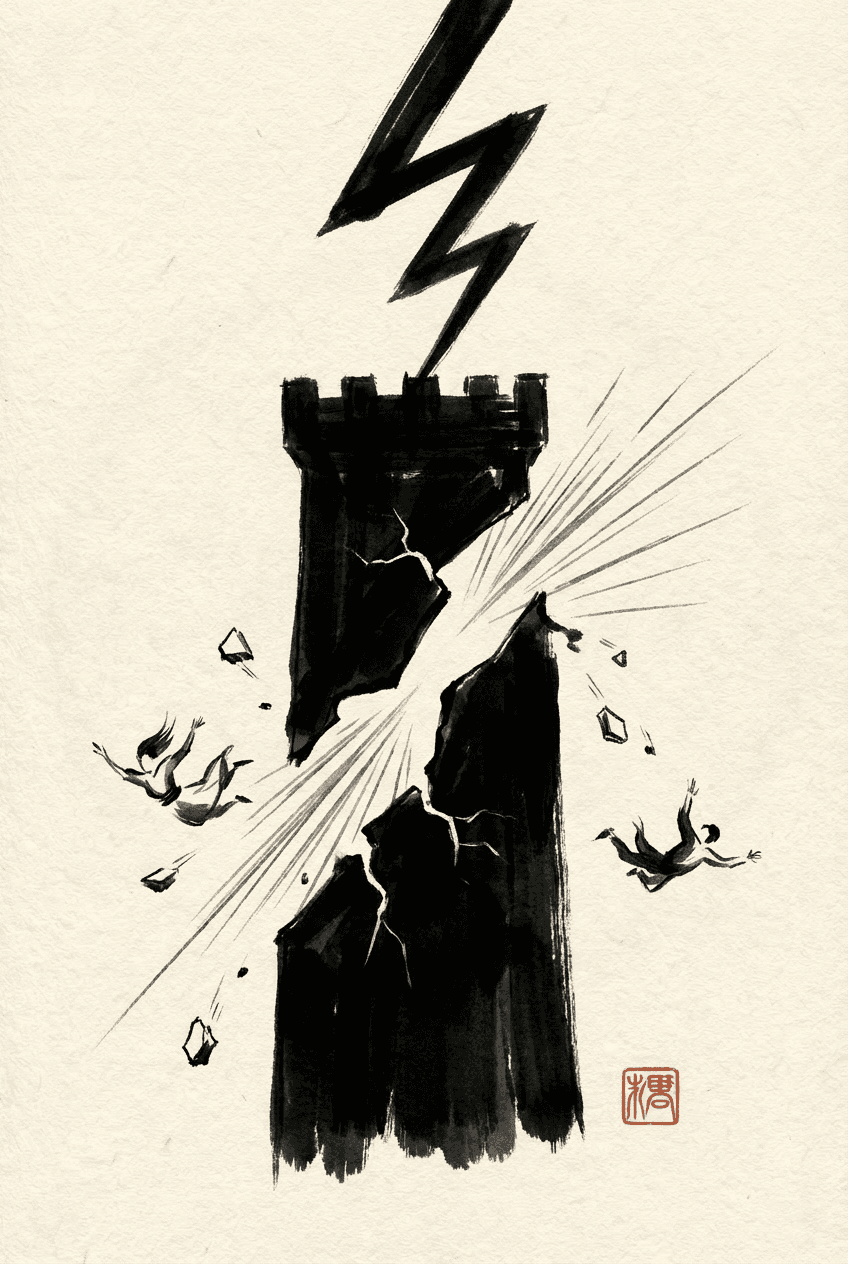
La Torre (XVI) — Conmoción y revelación. El rayo que destruye lo construido sobre cimientos falsos.
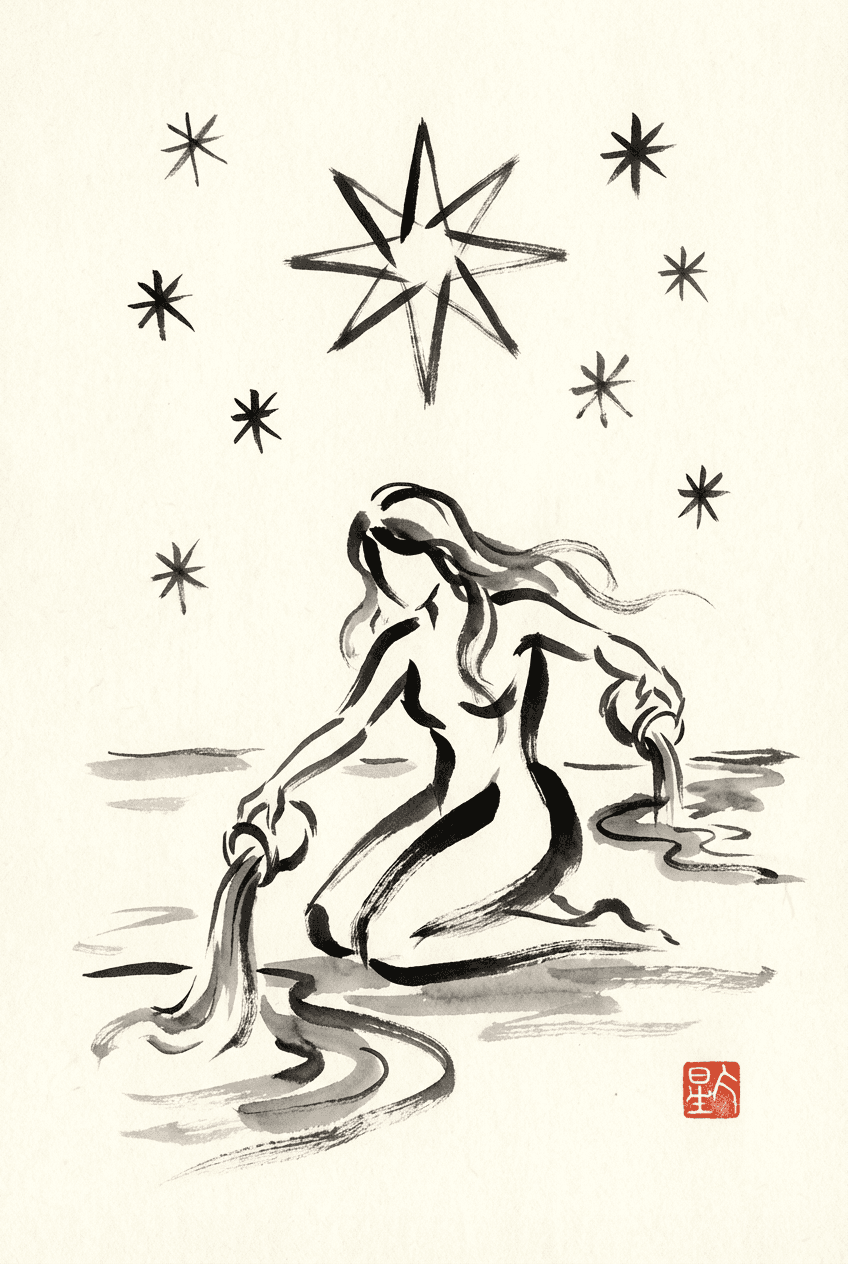
La Estrella (XVII) — Esperanza y renovación. La calma después de la tormenta. Vulnerabilidad desnuda bajo un cielo abierto.
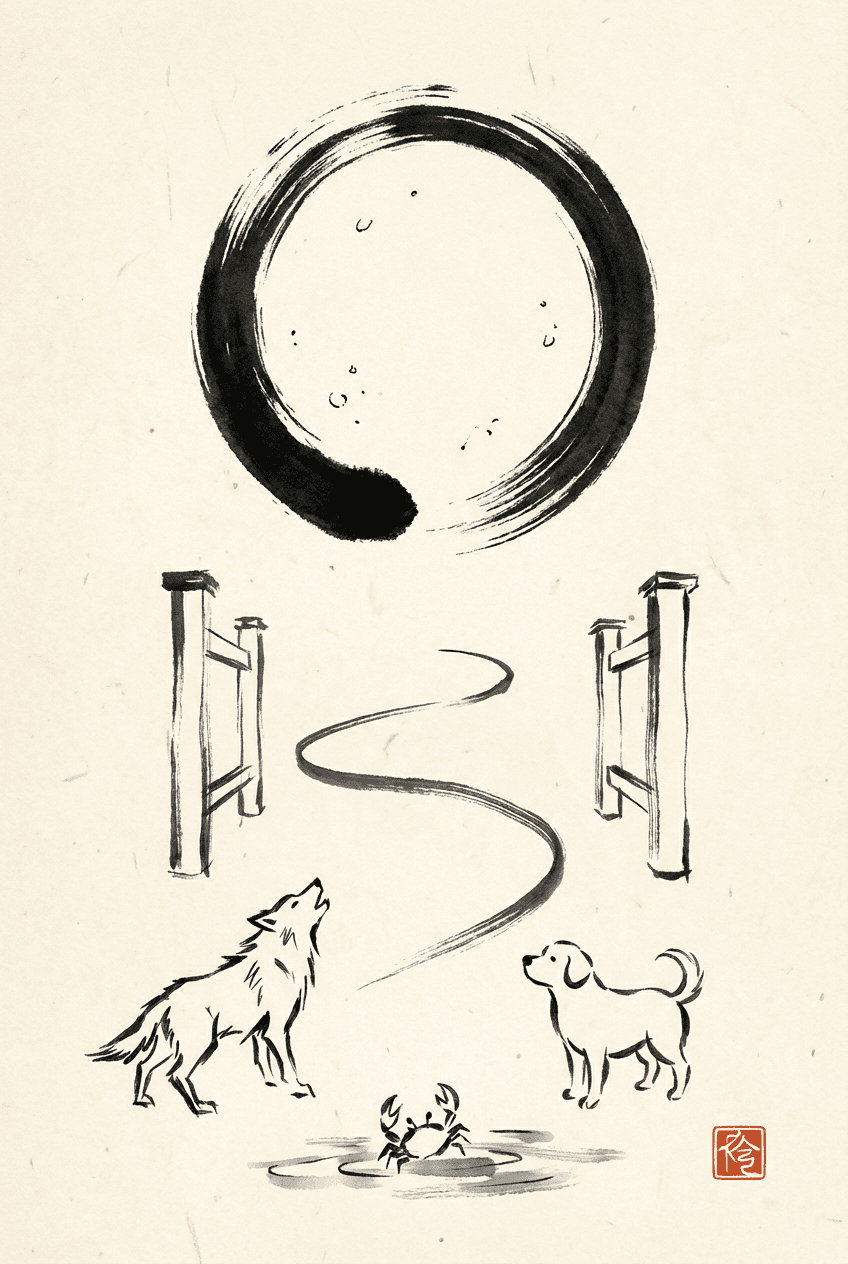
La Luna (XVIII) — Ilusión e inconsciente. Los miedos y fantasías que acechan bajo la superficie.
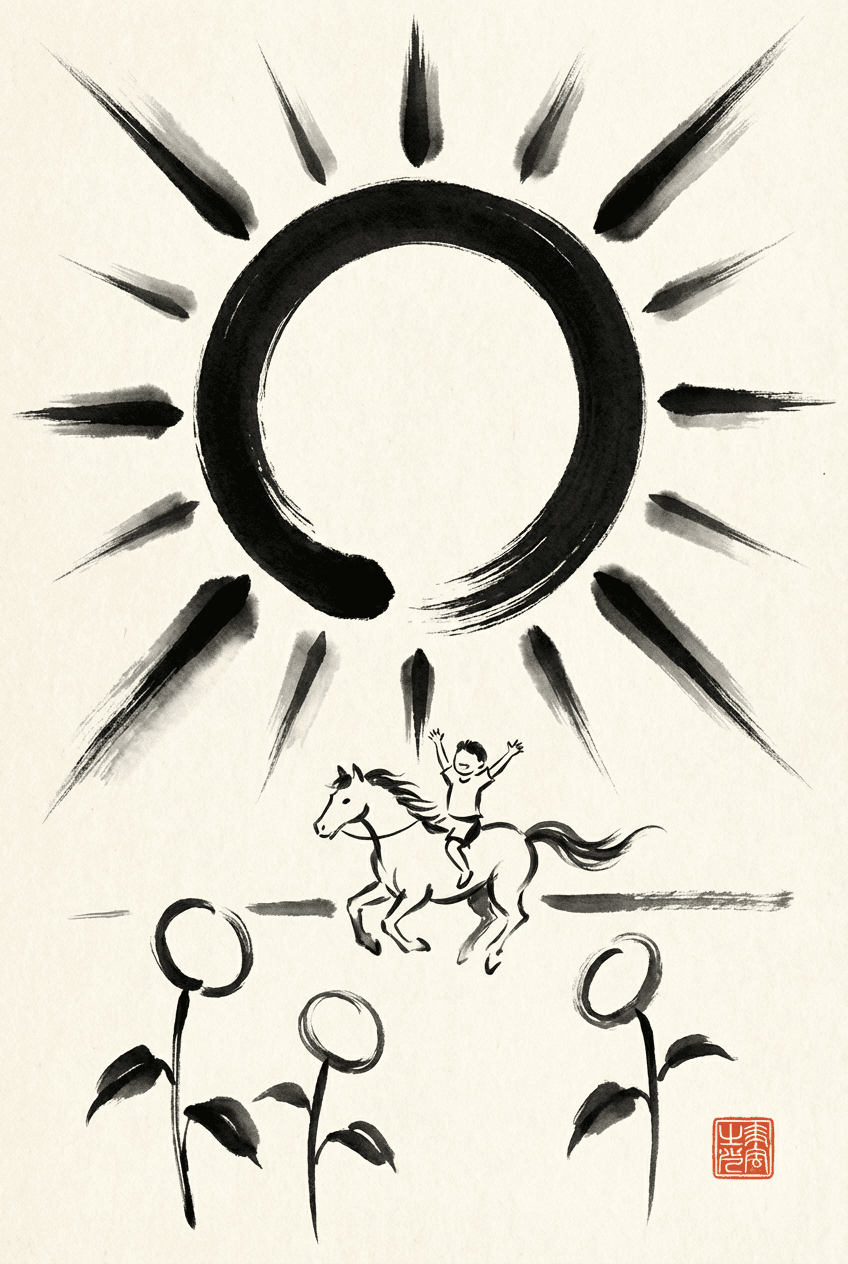
El Sol (XIX) — Alegría y vitalidad. Felicidad sin complicaciones. El niño interior.
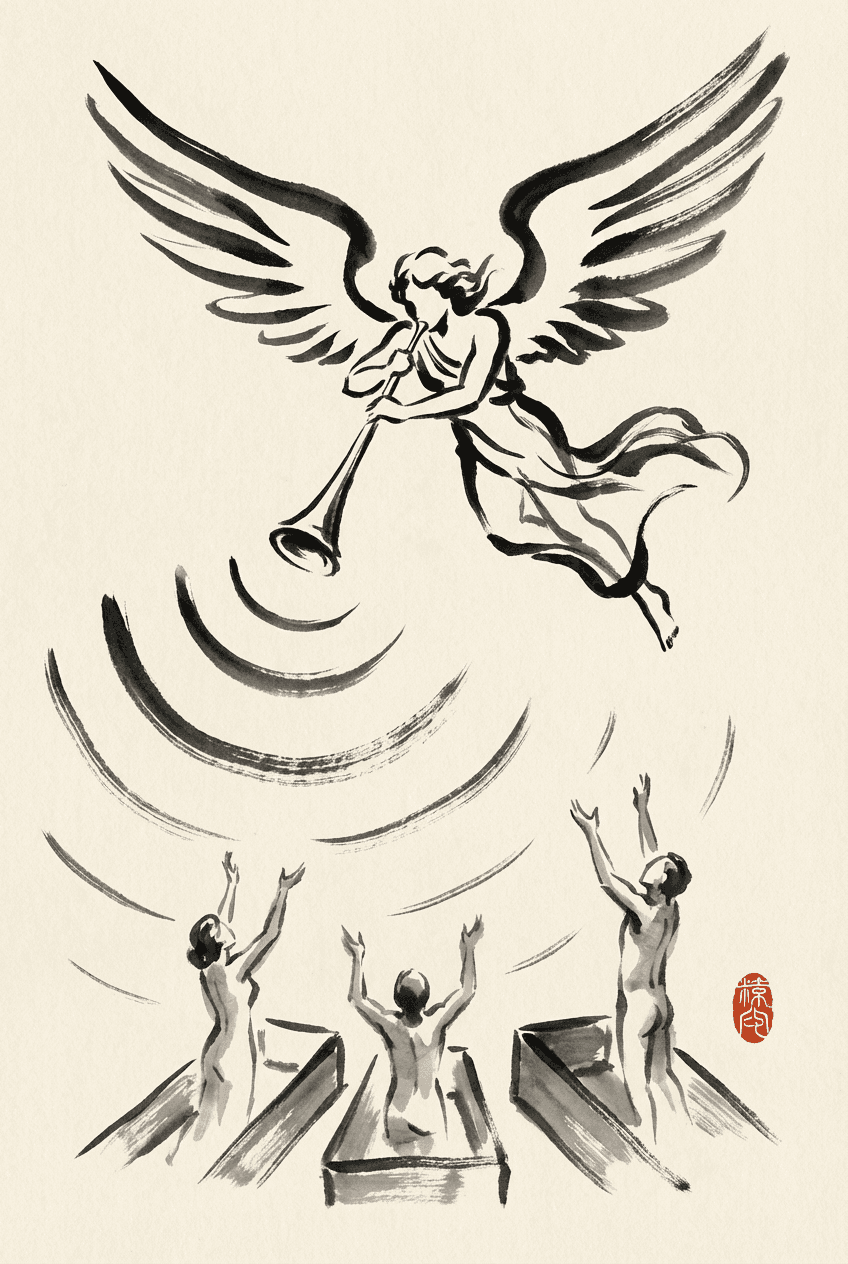
El Juicio (XX) — Despertar y renacimiento. El momento de claridad en que ves tu vida como un todo.
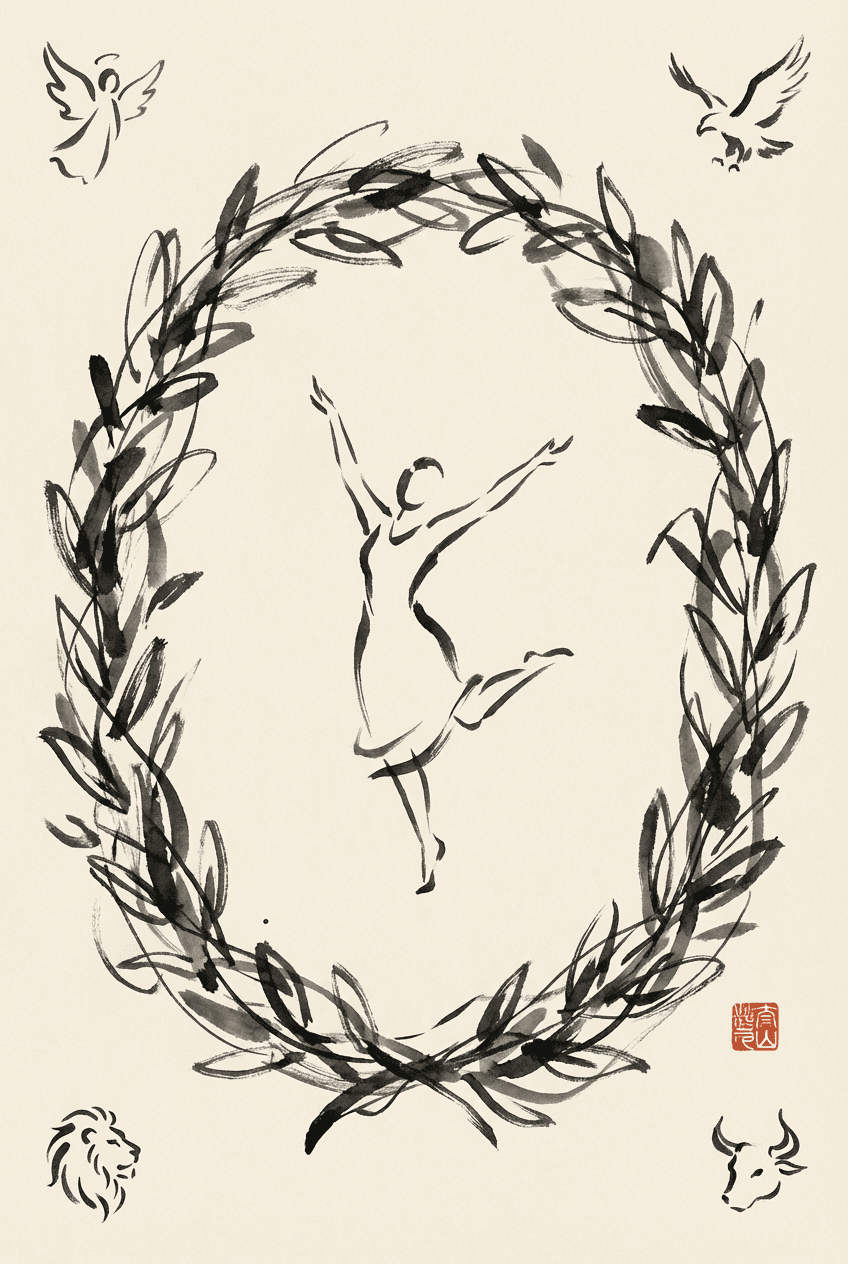
El Mundo (XXI) — Completitud e integración. El fin de un ciclo, el comienzo de otro. Plenitud.
Explora cada carta
Toca cualquier carta para descubrir su significado
Seguir leyendo
Cómo entender las cartas invertidas→